Portion sizes for NEA 2

You must show how your choice of dishes has the right portion control. But how do you know?

An average man needs 2,500kcal a day for a healthy body weight.
An average woman needs 2,000kcal a day for a healthy body weight.

Our video link shows how to use The Nutrition Program for portion sizes
How to find a portion size

Exam board NEA 2 marking statements

Planning  – Accurate portion control was evident Eduqas

Accurate and excellent knowledge of nutrition is demonstrated AQA  – need to have portion sizes to do this

Presenting – Demonstrates excellent portion control OCR 

You can check the portion size for meat, fish, chicken, fruits and vegetables on BUPA website

It’s a good idea to check out portion sizes of your favourite dishes using supermarket ready meals.

Sainsbury’s Ready Meals give clues and their site shows portions. I’ve removed the links as they keep changing.

  • Fish pie  weighs 450g serves 1 and provides 369kcal
  • Spinach and ricotta cannelloni weighs 400g serves 1 and provides 357kcal
  • Red Thai vegetable curry and rice weighs 350g serves 1 and provides 376kcal
  • Smoked haddock risotto weighs 380g, serves 1 and provides 402kcal
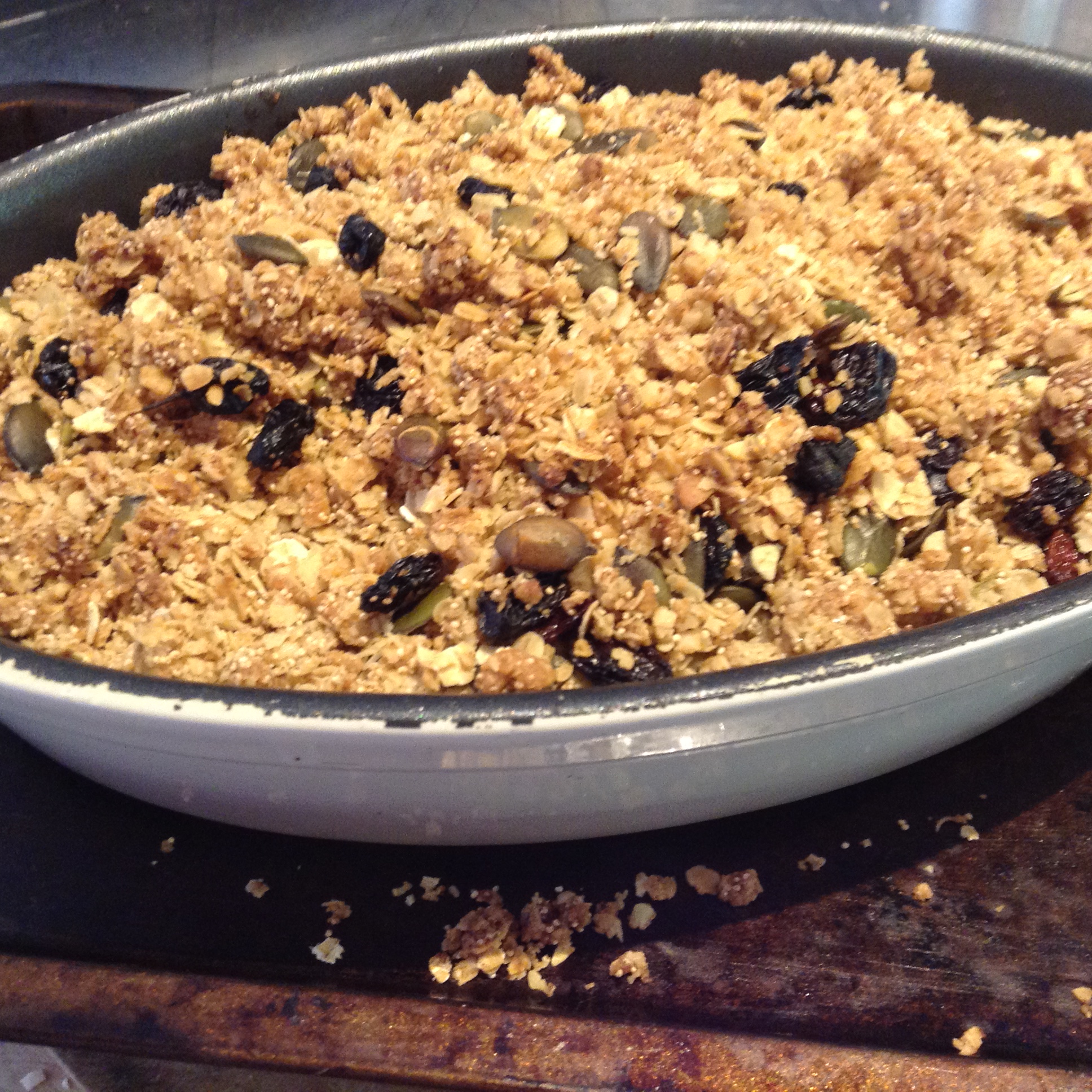
How many portions does crumble serve?

What about the puddings?

  • Apple and blackberry crumble portion weighs 60g, serves 1 and provides 217kcal
  • Lemon meringue pie portion weighs 100g serves 1 and provides 296kcal

So for your GCSE Food Preparation Assessment choose

Main course 350-400kcal portions – don’t forget you may serve with rice and vegetables

Desserts about 300kcal and portion 60-100g

Nadiya Hussain’s Pear and Blackberry crumble recipe which serves 4.

Each portion provides 856kcals – the average supermarket dessert provides 200-300kcal.

If portion serving were increased to 8 then the portion is reduced to 428kcal which is a healthier option.

Egg whites and foams for meringues NEA 1

Liquid egg white used for meringue tests to discover what ingredients can be added

I’ve been doing more egg experiments this time with egg whites.

Have been using Liquid Egg white to save wasting so many eggs as there have been lots of tests to do.

The advantage of using Liquid Egg is that I can measure the egg white to use to experiment. My egg whites from eggs measured different amounts in millilitres so I had to beat some together then measure the same amount for experiments.

Use my book Food Science You Can Eat for more help

Love Food Love Science have an excellent website showing egg white foam experiments and the science behind egg white foam formation.

Protein foam formation shows how additives affect the stability of egg white foams.

The age of an egg affects its foaming ability and you can see the IFST.org tests here.

Egg white and cream of tartar whisk really well but egg yolk is flat

What whisk to use? I found that electric whisks were best to get a fair test for experiments as you can time the whisking time and level of whisking.

You can find the tests for gluten and bread, gluten and pasta and egg whites in our resource Food Investigations NEA 1 available August 2024

Use an electric whisk for a fair test
Meringue recipe testing

I used The Nutrition Program to present the results of the tasting. This is how it is done.

Click My Recipes and name one as Mini meringue test

Put in the basic meringue recipe in Ingredients.

I’m testing to see what happens when I add oil, vinegar and cream of tartar to egg whites.

Go to Star Profile.

For each Taster put in oil, vinegar and cream of tartar.

Then think of Descriptors for sensory appraisal – your tasting work.

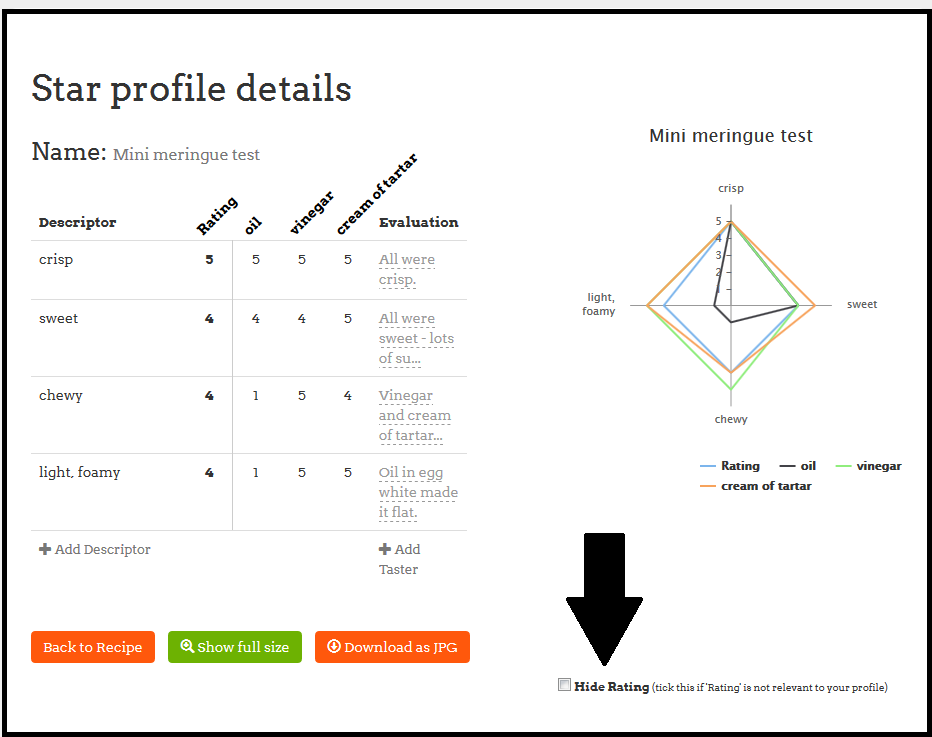
I’ve chosen crisp, sweet, chewy, light foamy

Then tasted the meringues and given each a mark out of 5 where 0= not and 5= very.

This is a new function added for NEA 1 test – Click Hide Rating.

I can now see the Star Profile with each meringue tasted.

Then I can write my Evaluations.

Then Download as JPG.

Full marks I hope!!

NEA 1 Food Investigations 10 Tasks
Make a star profile to show meringue tasting results
Evaluation of meringues in star profile

Gelatinisation of starch – NEA 1

Food and Nutrition GCSE has an Investigation NEA which could be

Investigate the ingredients used to thicken sauces and soups

Look at the Book NEA 1 Food Investigations

This is how I do it:
Think what ingredients are used to thicken sauces and soups and which starch is best for recipes.

White sauce, Tomato sauce or soup, Fruit sauce…

Starchy ingredients thicken sauces when they are heated in liquid.

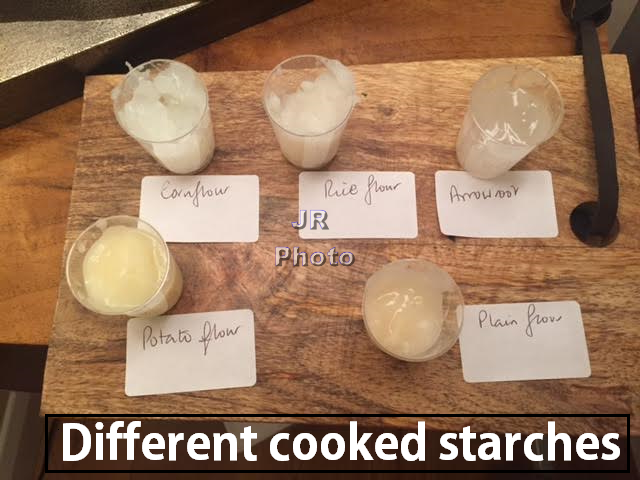
So test some starches:
Rice starch, cornflour, plain flour, arrowroot, potato flour … you choose.

Create a FAIR TEST. Mix the same amount of starch (10g) with the same amount of water (100ml).

Heat each one in the microwave and look every 20 seconds, stir and remove when it is thick.

Taste and test each one.

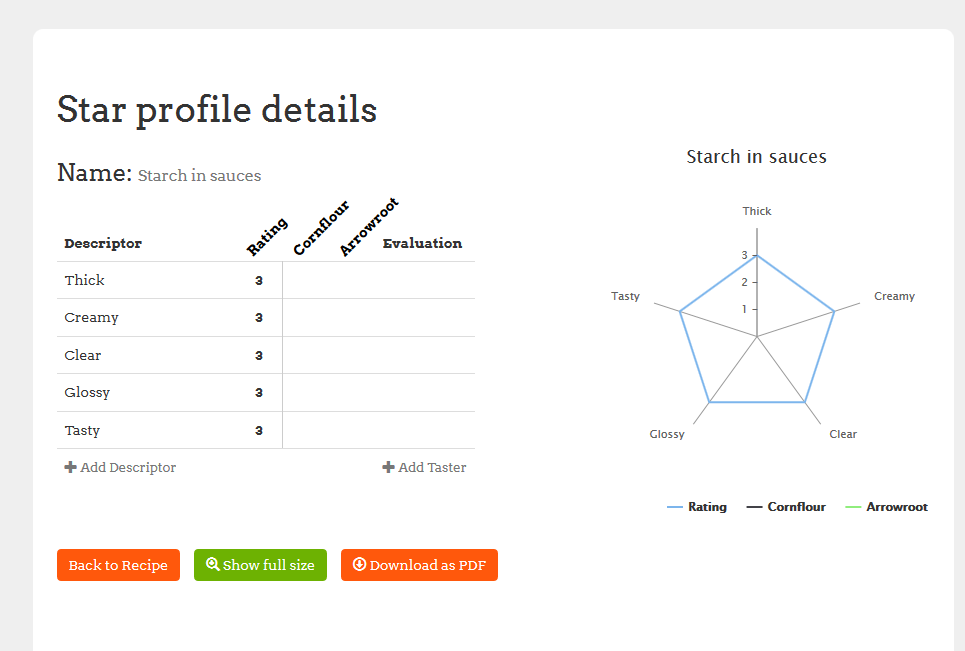
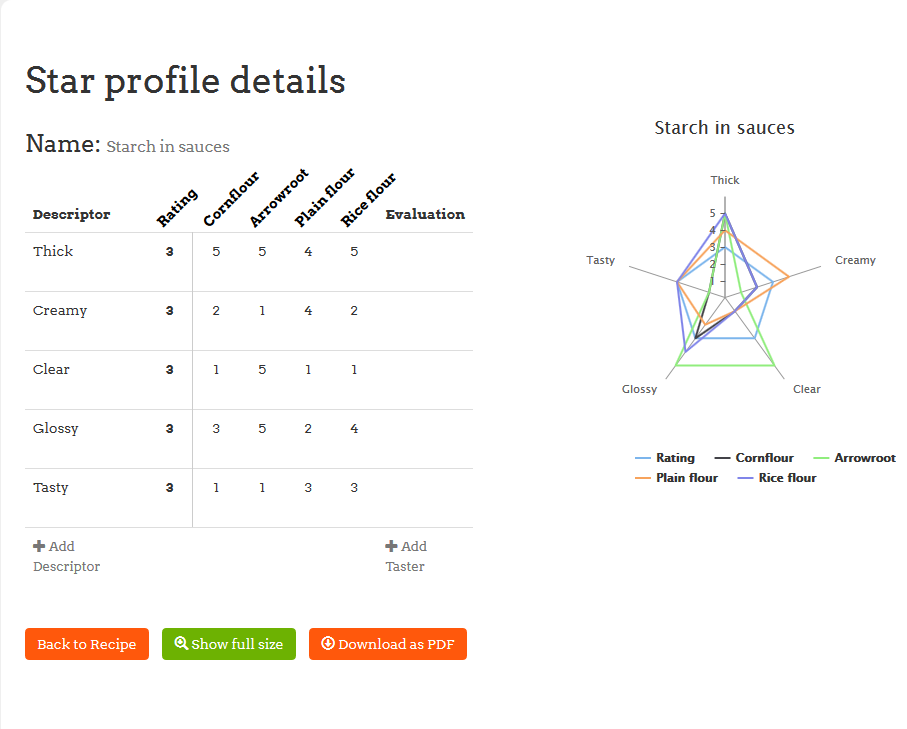
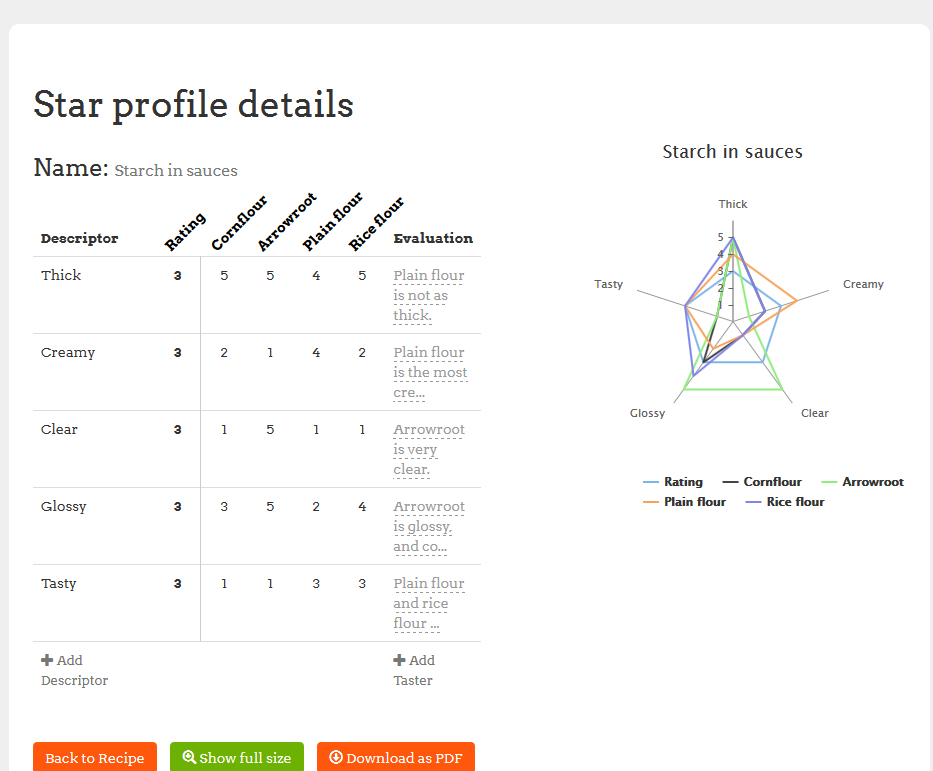
Use the Star Profile on the Nutrition Program to show your results:

First list the starches, then choose Descriptors – words to describe the results – thick, creamy, clear, glossy, tasty …

Different starches and gelatinisation
This star profile from Nutrition Program shows tasting results
This star profile shows tasting results

Fill in your tasting results:-

This star from Nutrition Program shows the results
This star shows the results for the starches
This star shows the evaluations of gelatinisation
This star from the Nutrition Program shows the evaluations of gelatinisation
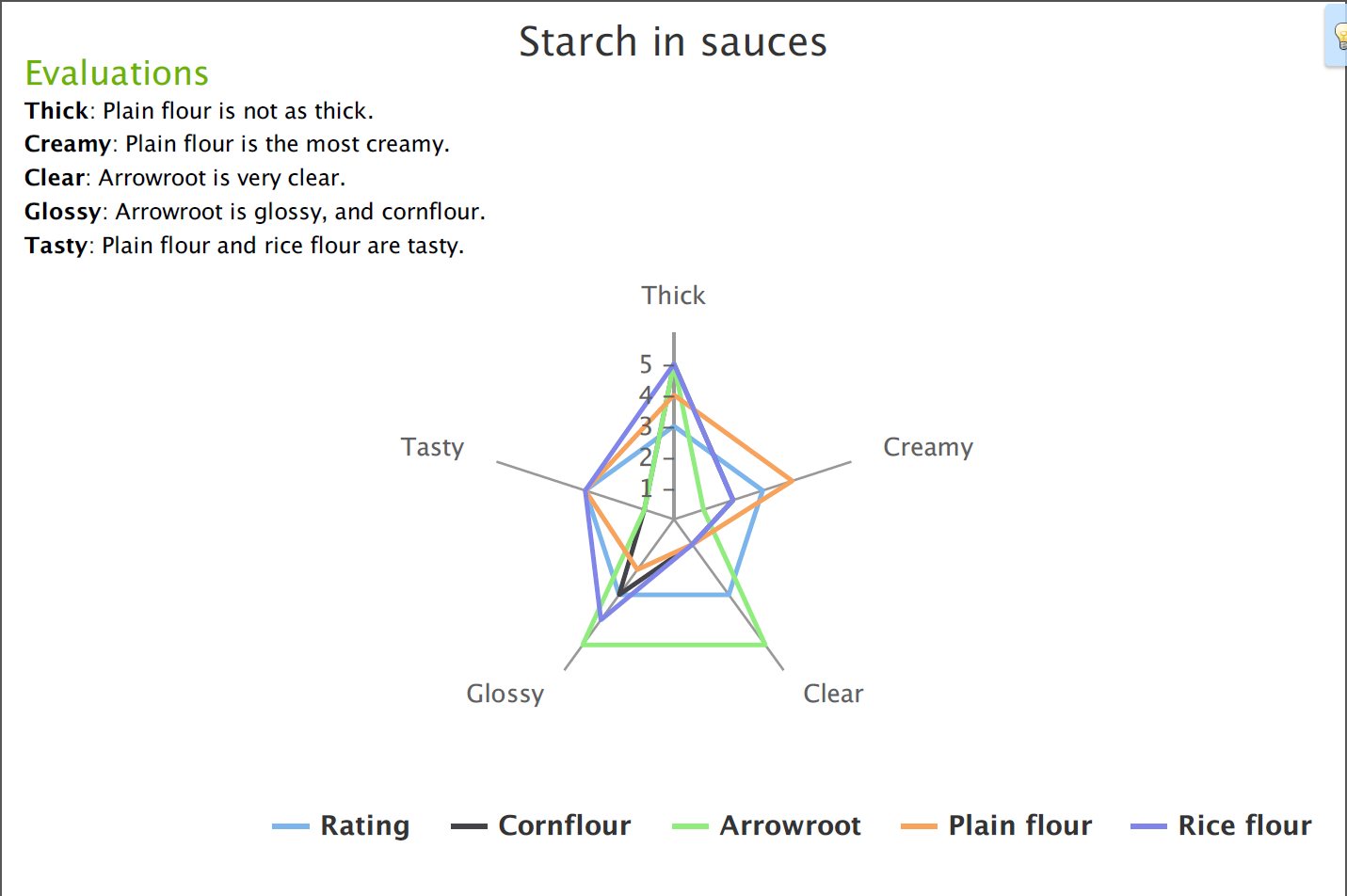
These are the final results of the starch test.
These are the final results of the starch test presented using The Nutrition Program.

Save

Save

Save

Save

Star profile on YouTube for Nutrition Program

Risotto – gelatinisation

Science term – gelatinisation

You need to use risotto rice as it contains a high amount of starch and gives a soft, creamy texture but the grains remain chewy when cooked.

As you cook this risotto you can see the starch in the rice grains changing as the grains swell, absorb the liquid, swell and release the starch into the cooking liquid.

What can I cook?


Pea and carrot risotto

Serves 4

Ingredients

100g onion, finely chopped

30g oil

150g risotto rice

7g vegetable stock cube

600g boiling water

100g frozen peas

1 carrot (60g), grated

30g finely grated Parmesan cheese

5g of parsley finely chopped

Method

Heat the oil in a heavy based pan and add the chopped onion. Stir and cook for 5 minutes until onion is soft.

Stir in the rice and coat the grains in oil.

Dissolve the stock cube in boiling water and gradually stir into the rice.

Cook for 15 minutes as the rice absorbs the liquid. Add the peas and grated carrot and stir.

Taste to see if rice grains are soft and serve with chopped parsley and Parmesan cheese.

Equipment

chopping board, sharp knife, large pan, wooden spoon, grater, measuring jug

Nutrition

Energy per portion (270g) 2371 kcal, Protein 7.5g, Sugar 1.2 g, Fat 3.9g, Salt 0.9g

Allergens none

The science bit

As the rice is cooking, the stirring helps the starch grains release starch into the cooking liquid. The grains soften as the starch gelatinises, and the starch in the liquid thickens the sauce giving the risotto its creamy texture.

Portion sizes

Our portion sizes for the Nutrition Program come from supermarket websites – Sainsburys Waitrose Aldi Co-op Morrisons  Tesco.

Look up the food dish you are making on the supermarket website and see how much a portion weighs. Tesco has a Healthy Living range with reduced salt, sugar, fat and calories
The Co-op has ready meals with less than 500 calories
School Food Plan has excellent charts on portion sizes

School Food Plan portion

BUPA has an excellent website with portion sizes for different foods.

Starchy foods

Strachy food portions

Meat, fish and other proteins

Portion sizes

Dairy foods

portion sizes