Hello – message from Jenny Ridgwell – For Food Teachers: my NEA1 Food Investigations 10 Tasks is available again 30th August 2024 as a PDF download – this includes the tasks from the posts below and more. Investigations were researched and written using The Nutrition Program some years ago.
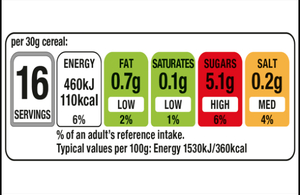
A voluntary UK front of pack Nutrition Labelling Scheme from 19/6/2013 uses Reference Intake information RI – this was known as Guideline Daily Amount GDA
It shows levels of energy, fat, saturates, sugar and salt in red, amber or green if the traffic light system is used.
RIs for fat, saturates, sugars and salt are the maximum amounts that should be consumed in a day. These figures are based on an average sized woman, doing an average amount of physical activity.
The RIs are defined in a new piece of legislation called the Food Information to Consumers Regulation.
The Regulation provides RIs for use on a label for Energy kJ, kcal, fat, saturates, (total) sugars, and salt and these are the same as the current ‘adult’ GDA values, with the exception of protein which has changed from 45g to 50g and carbohydrate which has changed from 230g to 260g.
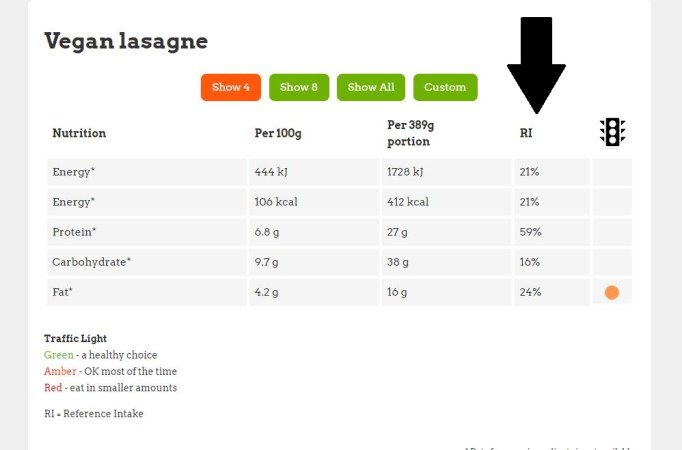
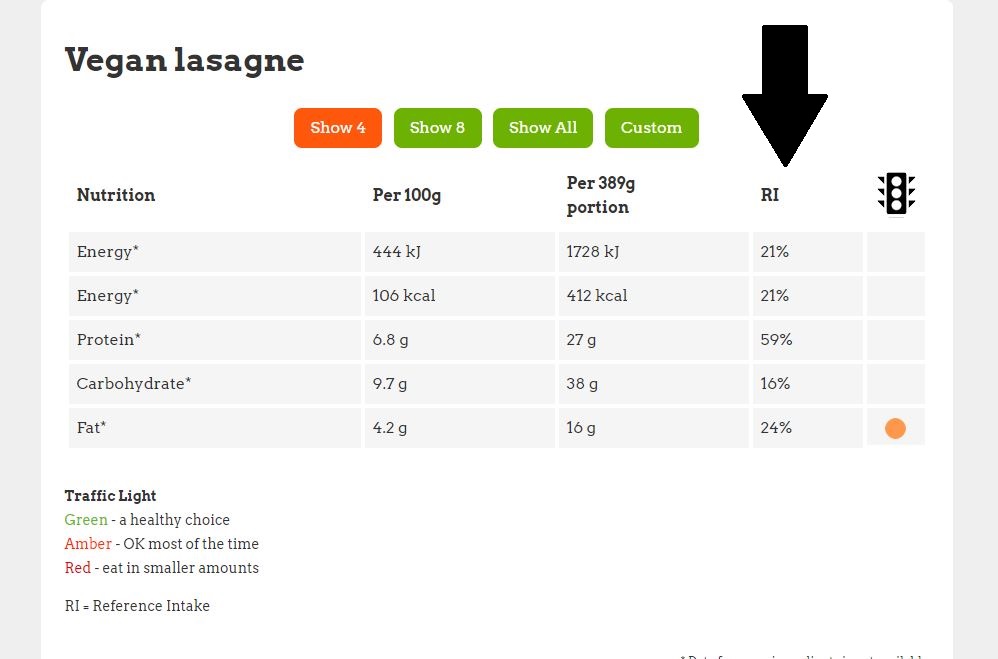
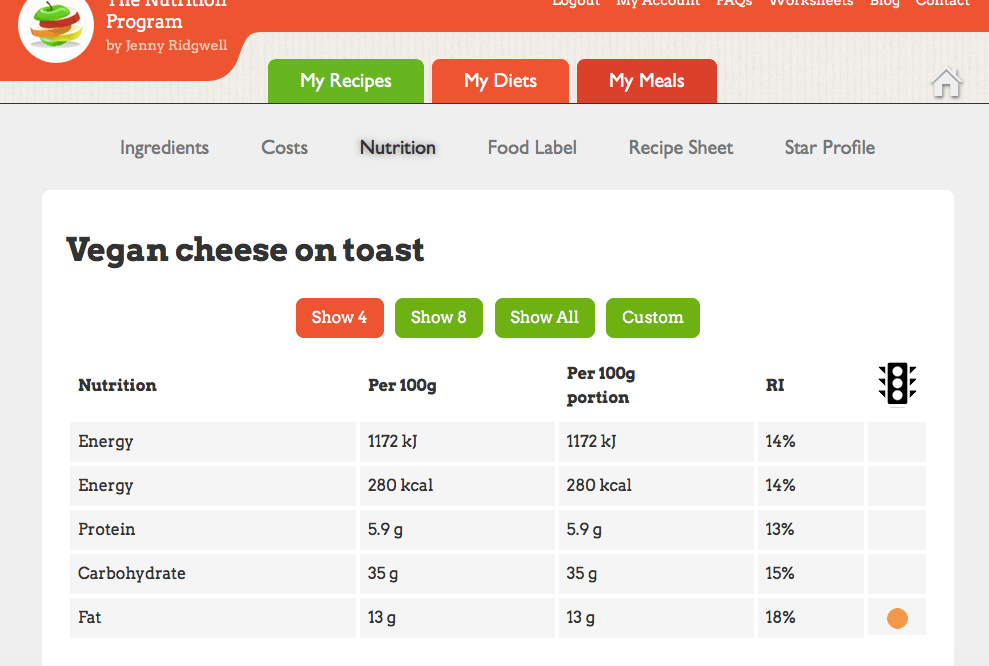
The Nutrition Program shows the Reference Intake on a recipe as a %.
Put your recipe in My Recipes and go to Nutrition and see the chart.
This is a recipe for Vegan lasagne and you can see that it supplies plenty of protein – 59%
To make a risotto, the rice needs to be stirred during cooking
Vegan Risotto with yellow and red peppers
Serves 2
Ingredients
1 small red onion, peeled and cut into small pieces, 70g
1 clove garlic, peeled and crushed
2 tbs vegetable oil
120g risotto or other rice
1/2 cob of sweetcorn, with seeds removed (50g seeds)
1 red and 1 yellow pepper (about 100g) deseeded and cut into chunks
2 tbs vegetable oil
1 tsp vegan bouillon powder or 1 vegan stock cube
400ml boiling water
2 spring onions, washed and finely chopped
Method
Roasted peppers
Fry onion and sweetcorn
Preheat the oven 200C.
Fry the onion and the garlic in a large frying pan over a gentle heat to soften the onion. Stir often and after 5 minutes add the rice.
Put the chunks of pepper in a roasting tin and toss in the oil. Put in the oven and roast for 20 minutes so that the peppers soften and the sugars caramelise, giving some brown edges and added flavour.
Add the sweetcorn seeds to the rice mixture.
Mix the boiling water in a jug with the bouillon powder or stock cube. Stir slowly into the rice mixture, letting the rice absorb the liquid.
Stir and cook the rice for 10-15 minutes until the rice softens. Add the sweetcorn 2 minutes before the end of cooking.
Remove the peppers from the oven and spoon out of the oil, leaving excess oil in the roasting pan.
Gently toss the red and yellow peppers into the rice then taste and add more seasoning if needed.
Sprinkle over the finely chopped spring onions.
To do
Take photos of the dish.
Put the recipe ingredients into the Nutrition Program to look at the nutrition.
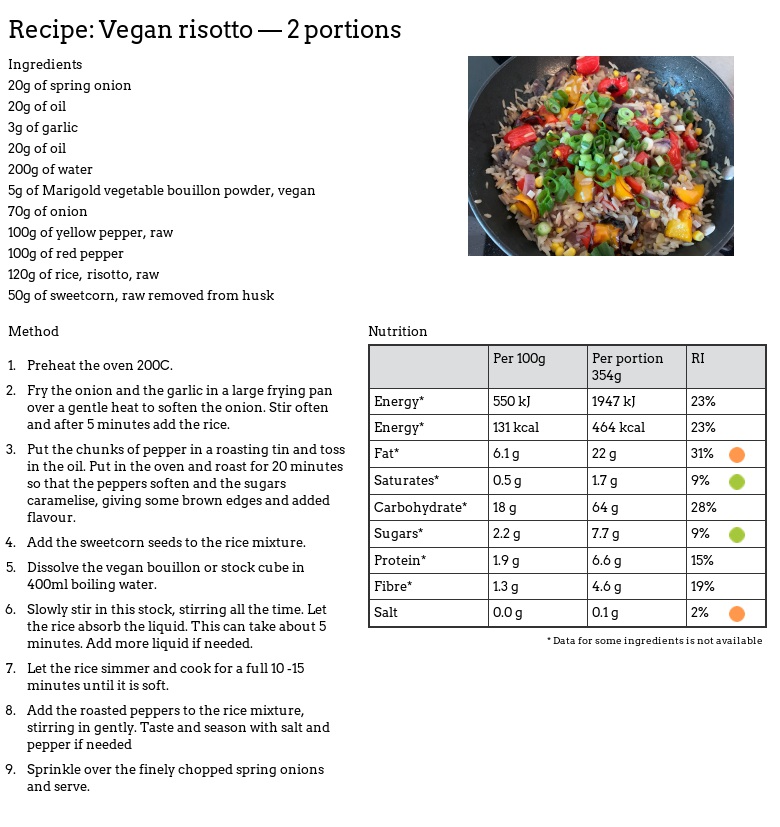
This is the food label – the arrow points to the Vegan label.
This is the Food Label – the risotto provides 464 kcal per 350g portion = 23% RI See the allergens and the label Vegan
Write up the method so it is saved on your Recipe Sheet.
The risotto is a well balanced dish but more protein could be added.Taste the risotto and create a star profile to show how it needs improving. This recipe needs extra protein and more flavour and longer cooking.







 The Nutrition Program Blog