Gluten in flour and bread

For this investigation I tested lots of flours including Pasta Flour called 00.

First I made some gluten balls by mixing 150g flour with water to make a dough then washing out the starch.

Flours make different sized gluten balls which are then baked.

Next I made small loaves of bread from each flour making sure I made each loaf in the same way and the same size.

Then I carried out a fair test to compare the breads and make my evaluations.
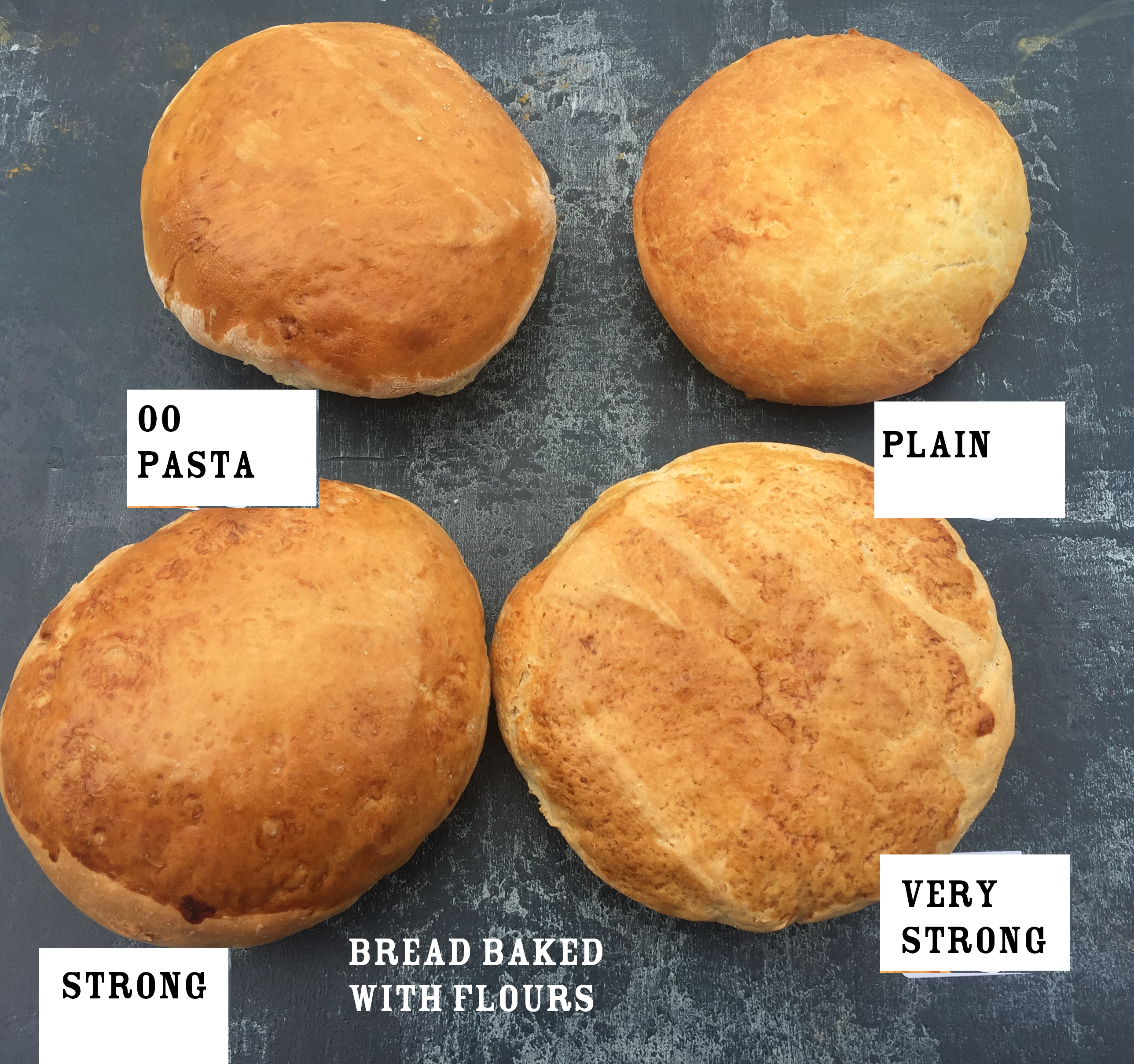
Flours used for bread making

I used The Nutrition Program to present the results of the tasting. This is how it is done.

Click My Recipes and name one as Gluten Bread Test.

Put in the basic bread recipe in Ingredients.

Go to Star Profile.

Star profile for gluten testing

For each Taster put in the name of the flours – Strong, V strong, Pasta 00, Plain

Then think of Descriptors for sensory appraisal – your tasting work.

I’ve chosen firm dough, light texture, firm crust, well risen.

Then tasted the breads and given each a mark out of 5 where 0= not and 5= very.

This is a new function added for NEA 1 test – Click Hide Rating.

I can now see the Star Profile with each bread tasted.

Then I can write my Evaluations.

Then Download as JPG.

Full marks I hope!!

Star profile gluten in bread with Evaluations – full marks!!

Egg whites and foams for meringues NEA 1

Liquid egg white used for meringue tests to discover what ingredients can be added

I’ve been doing more egg experiments this time with egg whites.

Have been using Liquid Egg white to save wasting so many eggs as there have been lots of tests to do.

The advantage of using Liquid Egg is that I can measure the egg white to use to experiment. My egg whites from eggs measured different amounts in millilitres so I had to beat some together then measure the same amount for experiments.

Use my book Food Science You Can Eat for more help

Love Food Love Science have an excellent website showing egg white foam experiments and the science behind egg white foam formation.

Protein foam formation shows how additives affect the stability of egg white foams.

The age of an egg affects its foaming ability and you can see the IFST.org tests here.

Egg white and cream of tartar whisk really well but egg yolk is flat

What whisk to use? I found that electric whisks were best to get a fair test for experiments as you can time the whisking time and level of whisking.

You can find the tests for gluten and bread, gluten and pasta and egg whites in our resource Food Investigations NEA 1 available August 2024

Use an electric whisk for a fair test
Meringue recipe testing

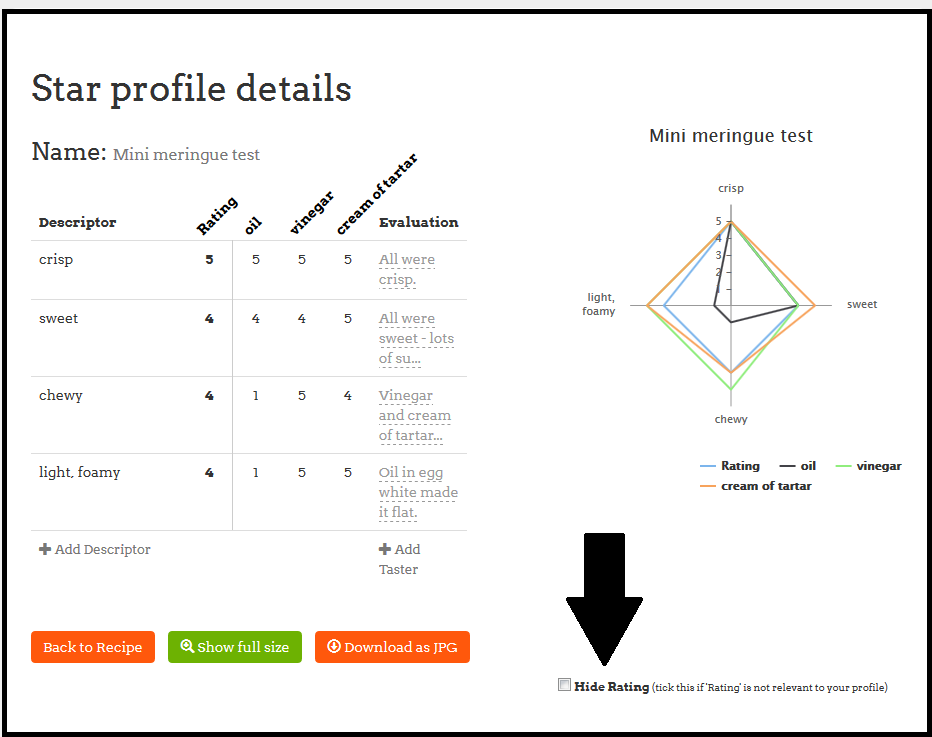
I used The Nutrition Program to present the results of the tasting. This is how it is done.

Click My Recipes and name one as Mini meringue test

Put in the basic meringue recipe in Ingredients.

I’m testing to see what happens when I add oil, vinegar and cream of tartar to egg whites.

Go to Star Profile.

For each Taster put in oil, vinegar and cream of tartar.

Then think of Descriptors for sensory appraisal – your tasting work.

I’ve chosen crisp, sweet, chewy, light foamy

Then tasted the meringues and given each a mark out of 5 where 0= not and 5= very.

This is a new function added for NEA 1 test – Click Hide Rating.

I can now see the Star Profile with each meringue tasted.

Then I can write my Evaluations.

Then Download as JPG.

Full marks I hope!!

NEA 1 Food Investigations 10 Tasks
Make a star profile to show meringue tasting results
Evaluation of meringues in star profile

Gelatinisation of starch – NEA 1

Food and Nutrition GCSE has an Investigation NEA which could be

Investigate the ingredients used to thicken sauces and soups

Look at the Book NEA 1 Food Investigations

This is how I do it:
Think what ingredients are used to thicken sauces and soups and which starch is best for recipes.

White sauce, Tomato sauce or soup, Fruit sauce…

Starchy ingredients thicken sauces when they are heated in liquid.

So test some starches:
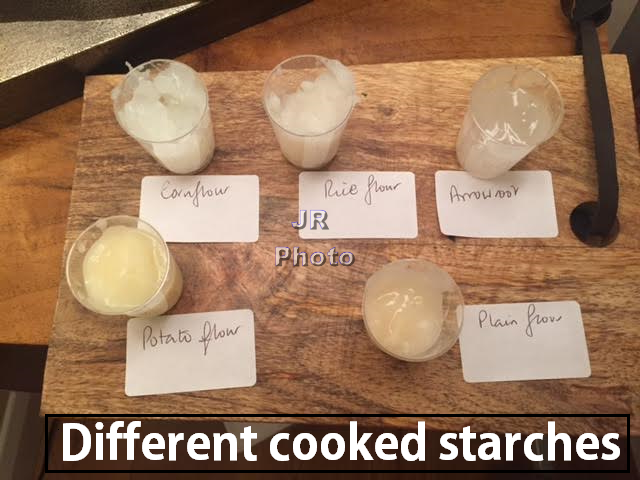
Rice starch, cornflour, plain flour, arrowroot, potato flour … you choose.

Create a FAIR TEST. Mix the same amount of starch (10g) with the same amount of water (100ml).

Heat each one in the microwave and look every 20 seconds, stir and remove when it is thick.

Taste and test each one.

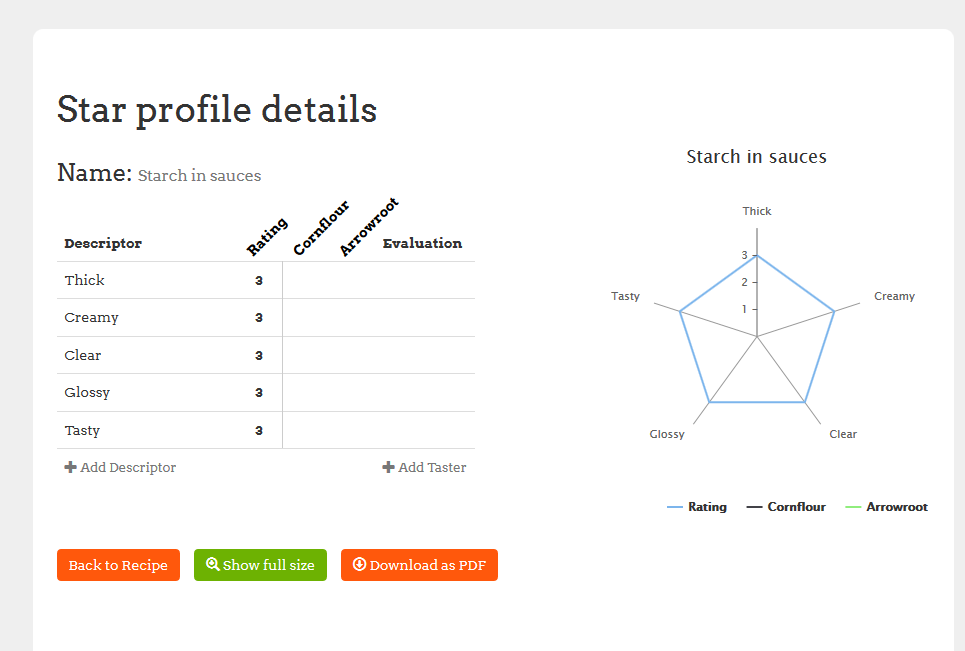
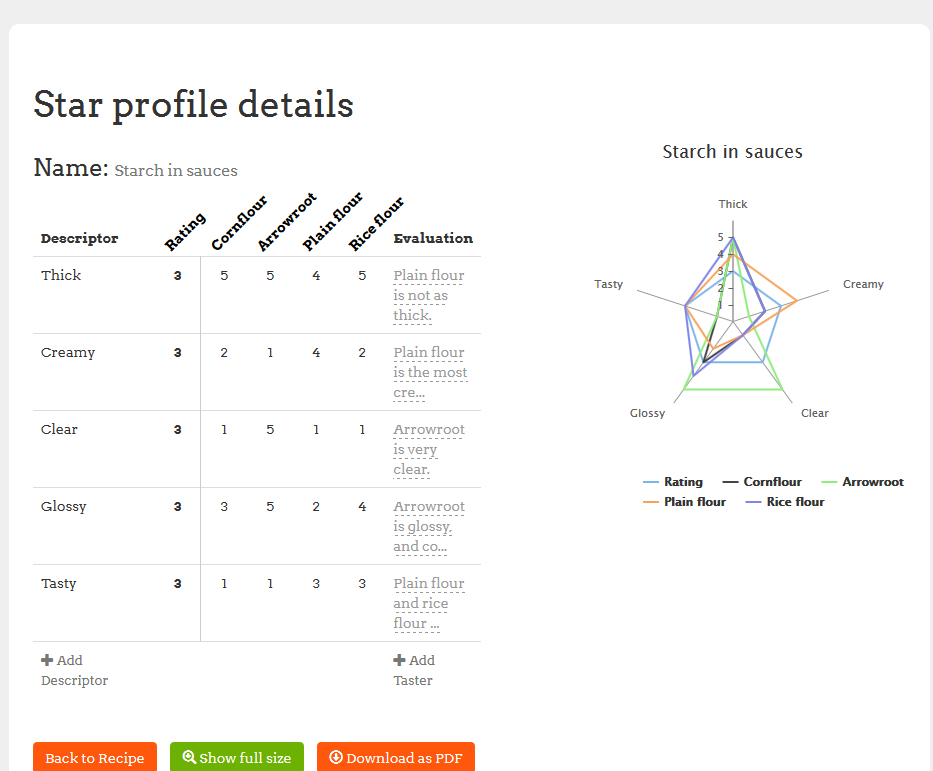
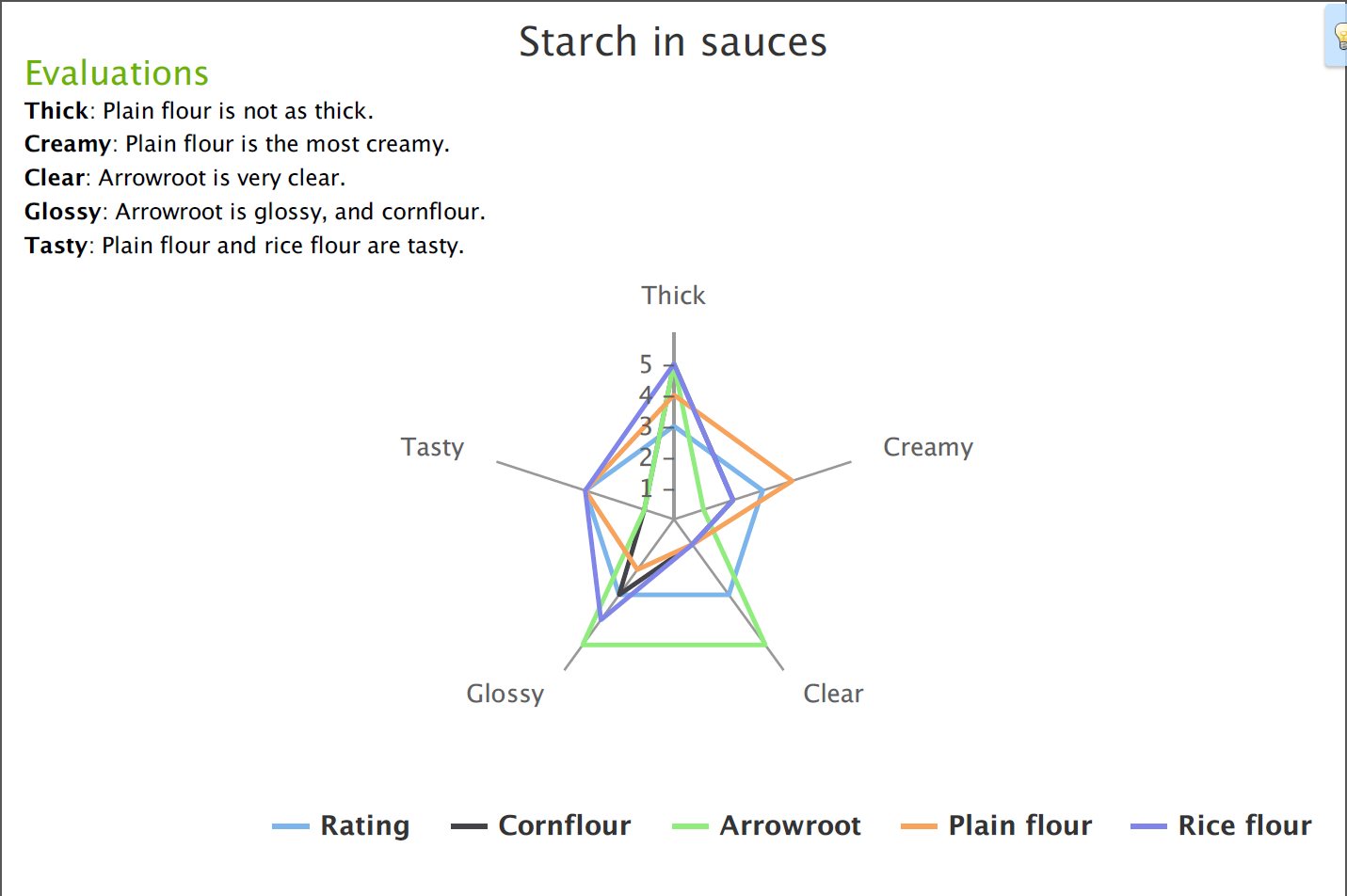
Use the Star Profile on the Nutrition Program to show your results:

First list the starches, then choose Descriptors – words to describe the results – thick, creamy, clear, glossy, tasty …

Different starches and gelatinisation
This star profile from Nutrition Program shows tasting results
This star profile shows tasting results

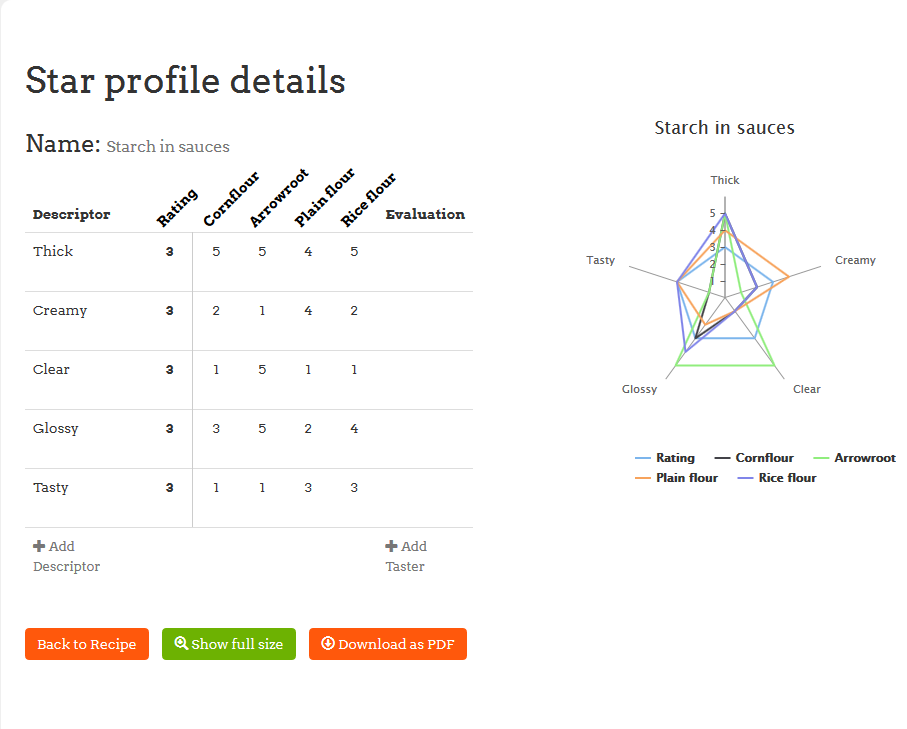
Fill in your tasting results:-

This star from Nutrition Program shows the results
This star shows the results for the starches
This star shows the evaluations of gelatinisation
This star from the Nutrition Program shows the evaluations of gelatinisation
These are the final results of the starch test.
These are the final results of the starch test presented using The Nutrition Program.

Save

Save

Save

Save

Star profile on YouTube for Nutrition Program

Flour in bread – investigation NEA 1

This YouTube video shows how to use the Star Profile of the Nutrition Program to Investigate flours used for bread.

Set up a Star Profile to compare the different flours used in bread. Complete the Star Profile with your results.

Compare Flours for NEA on bread
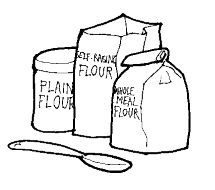
Different flours – thanks to Dave Smith for image

The nutrition of different flours

The amount of gluten, the protein in flour, affects how the flour can be used in cooking.

  • Flours which are high in gluten are used for breads and pastas.
  • Flours which are low in gluten are used for cakes and scones and sauces.

Compare the protein content of different flours

Use the Nutrition Program for this investigation.

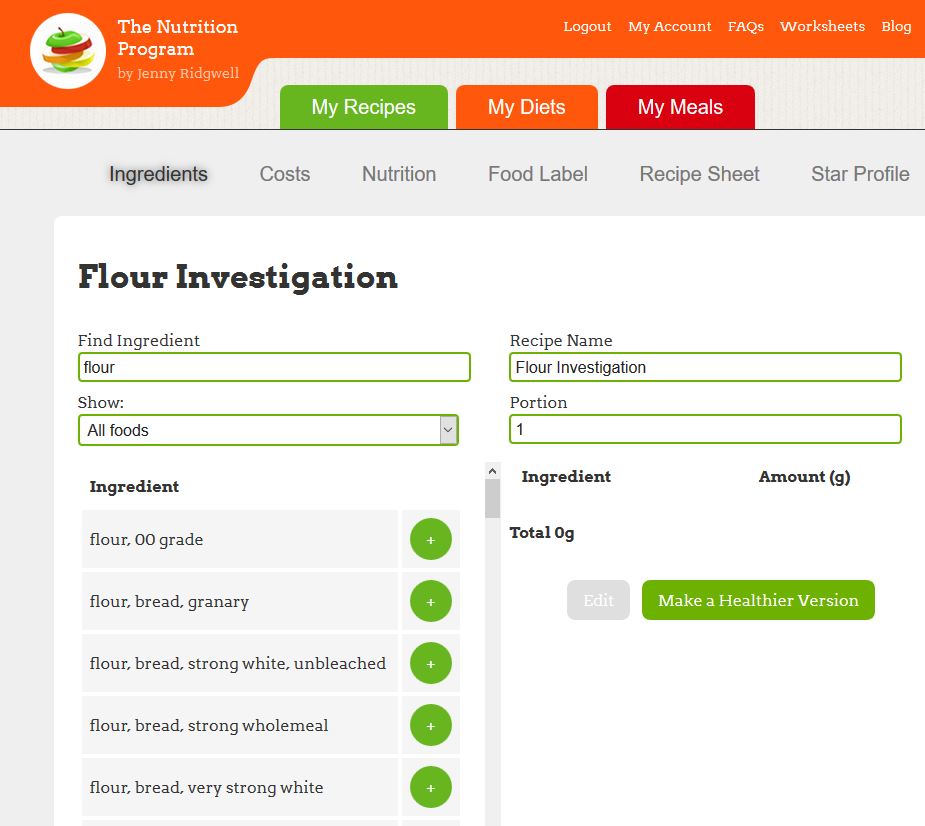
  1. Click My Recipes, +New Recipe and call it Flour Investigation.
  2. Find Ingredient Type flour and a whole list is shown.
Nutrition Program list of flours

If you want to look at what flours to use for bread choose 4-5 types

For example

  • flour 00 grade;
  • flour, bread, strong white;
  • flour, plain; flour,
  • self raising, white;
  • flour, gluten free.

Choose them each in turn – the screen shows the Macronutrients for 100 g.

Nutrition Flour 00 grade

To get nutrition for the next flour, Cancel and go back to Find Ingredient.

Collect screen images and put the results of protein in 100g on a table like the one below.

Nutrition strong white bread flour
FlourProtein in 100g
Flour 00 grade11g
Flour strong white bread13g
Flour, plain9.7g
Flour, self raising, white8.9g
Flour, gluten free bread flour, Doves farm4.8g

For NEA 1 research, compare the protein content – my results show that Strong, white bread flour has the most protein and so the most gluten which forms the structure of the loaf.

Use Food Science You Can Eat to help

Save

Save

Save

Save

Star Profile / Star diagram for Pastry

Here’s how you can use the Nutrition Program for GCSE Food Preparation and Nutrition NEA 1

Assessment 1: The Food Investigation Assessment 15% of total qualification

Task A Example: Shortcrust pastry should be crisp to the bite and crumbly in the mouth. It can be prepared using a range of different ingredients.
Investigate the working characteristics and the functional and chemical properties where appropriate, of the different ingredients needed to achieve a perfect shortcrust pastry.

Choose fats for pastries – for example, Trex, butter, lard and margarine, lard on its own.

Think of 5 words to describe pastry – crumbly, short, buttery, light, tough.

See our Tasting Word Bank.

Make and taste the pastries and put the results on My Recipes, Star Profile.

The Tasting words are listed as descriptors on the left side.

Then carry out several tastings and get marks out of 5.

The Nutrition Program creates the star as you can see below. You can then write the Evaluations of the different pastries as shown below and download your work.

Star profile for pastry

YouTube video using a star profile to evaluate

This is the star profile for sugar in sponge cakes.

Star profile of sugar in cakes with annotation