YouTube videos Nutrition Program for NEA2

These are videos I made some years ago for workshops to show how to use the Nutrition Program

They are all useful for steps for NEA 2 and give you great Food and Nutrition GCSE results!

Note – some sites don’t like links to YouTube so copy the URL and post in Google.

How to carry out nutritional analysis of a recipe

How to make the recipe healthier

How to write the recipe method

How to find the portion size

How to cost a recipe

Nutrition Program for sensory analysis

My book Food Preparation Assessment Task NEA 2 will be available from mid September 2023

Plan a menu

For Hospitality and Catering students here are a few tips on menu planning.

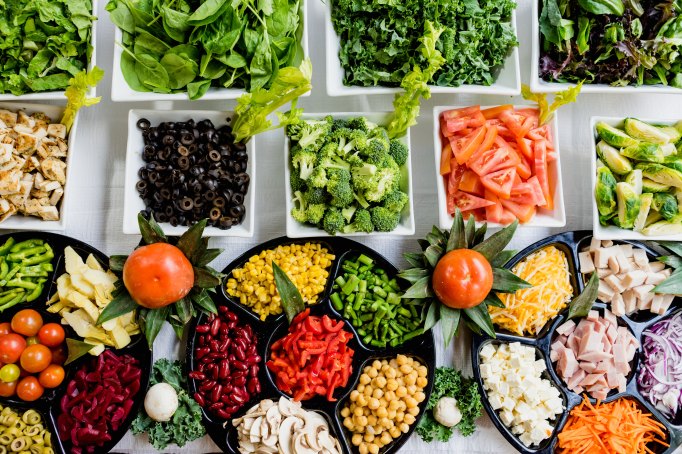
Choose foods with different colours and textures for an appetising choice.

Serve food when it is in season – like fresh salad in summertime.


Dan Gold

Present food attractively using interesting dishes and unusual garnishes and decorations.

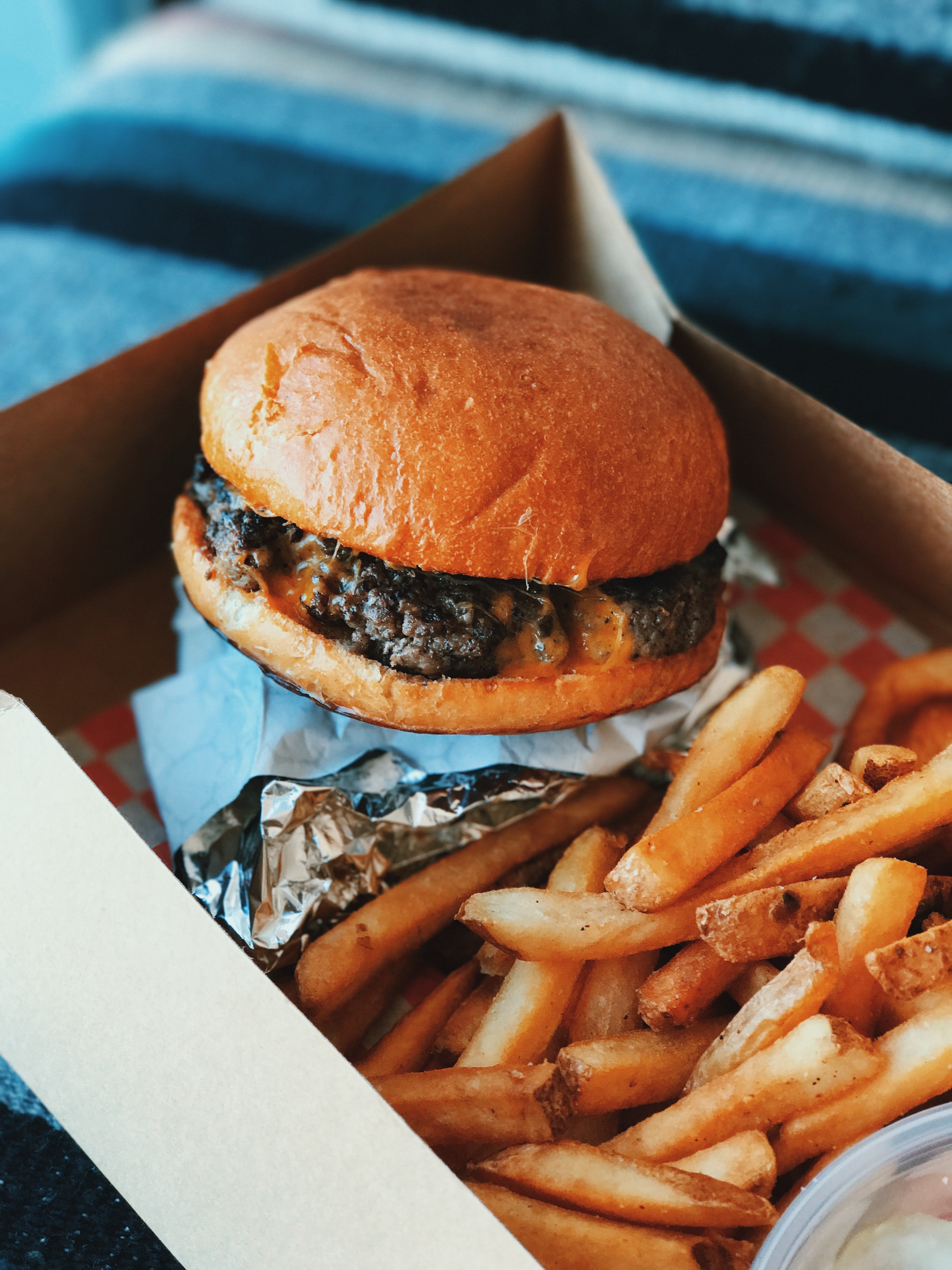
Make healthy choices and avoid serving too much fried food or dishes which are high calorie.


unsplash-logokayleigh harrington
What age group is eating your menu? Think about portion sizes and dietary choices.

Taylor Kiser

Functions of nutrients

These are the Hover overs used on the Nutrition Program to help you find the function of nutrients. The Program shows you what nutrients are in your recipes.

You need these details for

WJEC Vocational Award Level 1/2 Hospitality and Catering Unit 2 AC1.1 Describe functions of nutrients in the human body 

Energy – Measured in KJ and Kcal. Needed to keep us alive and active.
Protein – Needed for growth and repair, a source of energy.
Carbohydrates – A source of energy.
Total sugars are all types of sugar in food. A source of energy.
Fat – Good source of energy and supplies essential fatty acids that the body can’t make.
Saturated fat – Too much saturated fat can increase the cholesterol in the blood.
Trans fatty acids – These raise the type of cholesterol in the blood that increases the risk of heart disease.
Starch – Polysaccharide made up of glucose units. Used for energy.
Salt – Essential for cells and control of body fluids. Limit intake to 6g a day.
Sodium – Salt is made from sodium chloride.
Total sugars – All types of sugar in the food.
Fibre – Needed to keep the gut healthy and prevent constipation. Non Starch polysaccharide – needed for healthy digestive system.
NSP Fibre Non Starch polysaccharide – needed for healthy digestive system.
AOAC Fibre – Fibre measurement AOAC includes lignin and resistant starch – higher figure than NSP.
Fat soluble vitamins A and D, E
Vitamin A – Needed for growth, development and eyesight. Retinol and Carotene
Vitamin D – Regulates the amount of calcium and phosphate in the body.
Vitamin E – Helps protect cell membranes by acting as an antioxidant.
Water soluble vitamins -B1 (thiamine), B2 (riboflavin),B3 (niacin),B6 (pyridoxine)
Vitamin C – Needed for healthy skin and tissue, and to aid the absorption of iron. Ascorbic acid
Thiamin – Needed for the release of energy from carbohydrates.(B1)
Riboflavin – Helps release energy from carbohydrates.
Niacin – Needed for the release of energy from carbohydrates.
Vitamin B6 Pyridoxine – essential for good health and red blood metabolism.
Folate – Prevents neural tube defects in developing embryos. (B9)
Vitamin B12 – for blood cells and nerve function. (cobalamin),
Vitamin K – Helps protect cell membranes by acting as an antioxidant.
Minerals – calcium, iron, sodium, phosphorus, iodine,
Calcium – Helps build strong bones and teeth.
Iron – Helps make red blood cells, which carry oxygen around the body.
Phosphorus – Helps build strong bones and teeth.
Iodine – Helps make the thyroid hormones and keep metabolic rate healthy
Water – All body functions need water.

Function of Nutrients

The effects of cooking on nutrients in vegetables

You need to cook foods to make them better to eat. Raw potatoes would give you stomach ache!

The main foods affected by heat are fruit and vegetables.

  • 2 vitamins are altered or destroyed by heat – vitamin Bs – thiamin (B1), riboflavin (B2), niacin (B3), pantothenic acid (B5), pyridoxine (B6), folic acid (B7) and cobalamin (B8).
  • and vitamin C.

The longer the fruit and vegetables cook, the more nutrients are lost.

Fat soluble vitamins A, D, E and K are reduced with heat.

Proteins change too – think of a boiled egg compared with a raw one.

Cooking methods such as frying and roasting increase the fat and calories in food.

Microwaving is a short method of cooking food so nutrients are retained. 20-30% vitamin C is lost during microwaving.

Tips

Steaming vegetables is better than boiling them as the vitamins are not lost in the cooking liquid.

Cook vegetables for as short a time as possible and use the liquid to make sauces.

Use as little water as possible to cook vegetables to reduce loss of vitamin C  and B.

Don’t prepare veg too early before cooking as vitamins are lost.

Chopping and slicing up fruit and vegetables causes loss of nutrients, so cut up these foods just before you need them.

Worksheet cooking nutrients

a) how the fat changes in different cooked potatoes

b) vitamin C losses in spinach

c) vitamin C changes in peas

Compare raw and cooked potato

Nutrition Program – My Recipes – Create Potato recipe – Find ingredient – Type in potato and choose Micronutrient.

This chart shows you the vitamins and minerals in 100g of raw potato.


Compare the difference between raw and boiled potatoes

What happens to the Vitamin `C when the potato is boiled?
Why has the sodium increased in the boiled potatoes?

Portion sizes for NEA 2

You must show how your choice of dishes has the right portion control. But how do you know?

An average man needs 2,500kcal a day for a healthy body weight.
An average woman needs 2,000kcal a day for a healthy body weight.

Our video link shows how to use The Nutrition Program for portion sizes

How to find a portion size

Exam board NEA 2 marking statements

Planning  – Accurate portion control was evident Eduqas

Accurate and excellent knowledge of nutrition is demonstrated AQA  – need to have portion sizes to do this

Presenting – Demonstrates excellent portion control OCR 

You can check the portion size for meat, fish, chicken, fruits and vegetables on BUPA website

It’s a good idea to check out portion sizes of your favourite dishes using supermarket ready meals.

Sainsbury’s Ready Meals give clues and their site shows portions. I’ve removed the links as they keep changing.

  • Fish pie  weighs 450g serves 1 and provides 369kcal
  • Spinach and ricotta cannelloni weighs 400g serves 1 and provides 357kcal
  • Red Thai vegetable curry and rice weighs 350g serves 1 and provides 376kcal
  • Smoked haddock risotto weighs 380g, serves 1 and provides 402kcal

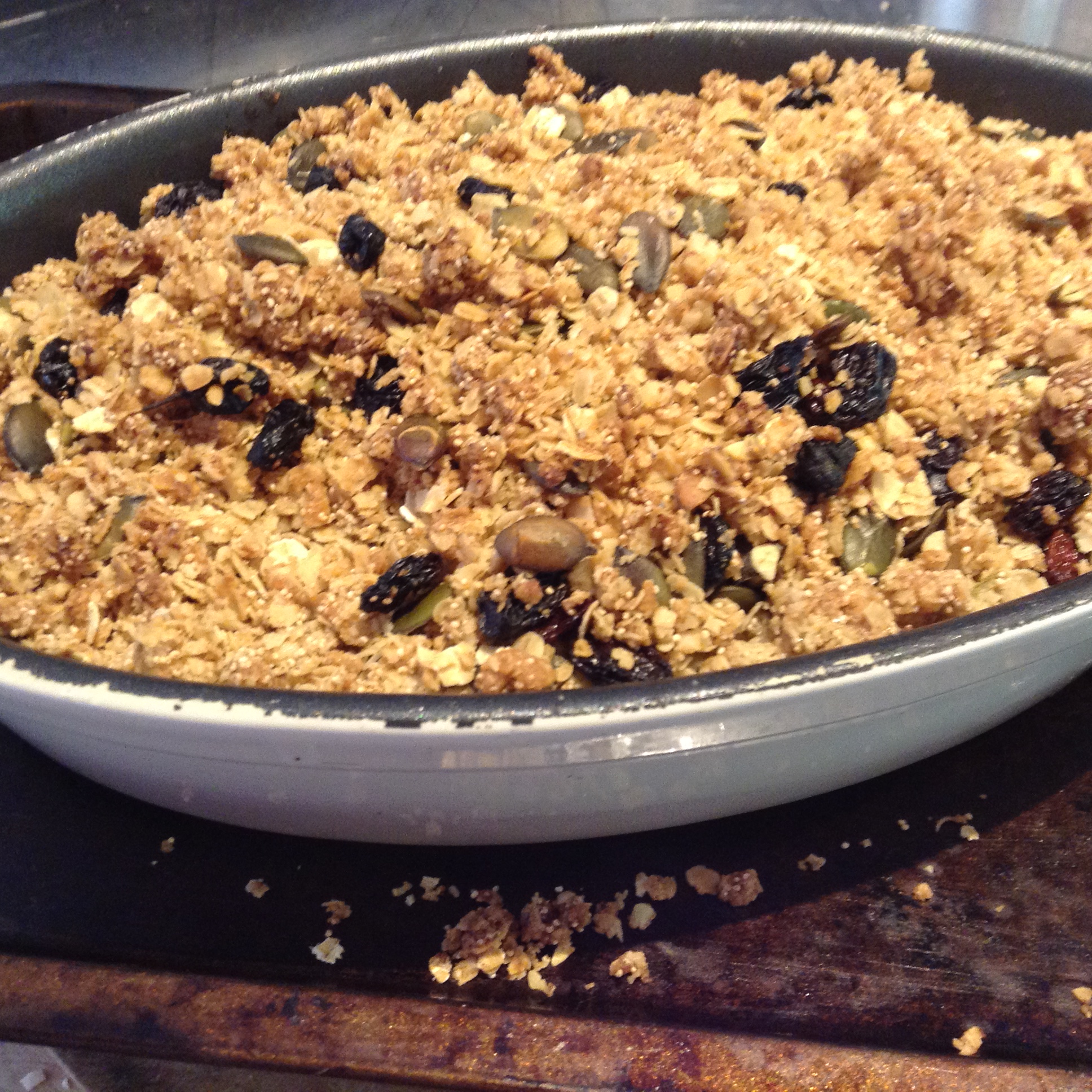
How many portions does crumble serve?

What about the puddings?

  • Apple and blackberry crumble portion weighs 60g, serves 1 and provides 217kcal
  • Lemon meringue pie portion weighs 100g serves 1 and provides 296kcal

So for your GCSE Food Preparation Assessment choose

Main course 350-400kcal portions – don’t forget you may serve with rice and vegetables

Desserts about 300kcal and portion 60-100g

Nadiya Hussain’s Pear and Blackberry crumble recipe which serves 4.

Each portion provides 856kcals – the average supermarket dessert provides 200-300kcal.

If portion serving were increased to 8 then the portion is reduced to 428kcal which is a healthier option.