
Nutrition Program can be used to create a recipe label, star profile and costing.
- Recipe sheet
- Recipe label
- Star profile
- Nutrition analysis
- Costing


Costing for apple pie
Nutrition Program can be used to create a recipe label, star profile and costing.
Costing for apple pie
Food and Nutrition GCSE has an Investigation NEA which could be
Investigate the ingredients used to thicken sauces and soups
Look at the Book NEA 1 Food Investigations
This is how I do it:
Think what ingredients are used to thicken sauces and soups and which starch is best for recipes.
White sauce, Tomato sauce or soup, Fruit sauce…
Starchy ingredients thicken sauces when they are heated in liquid.
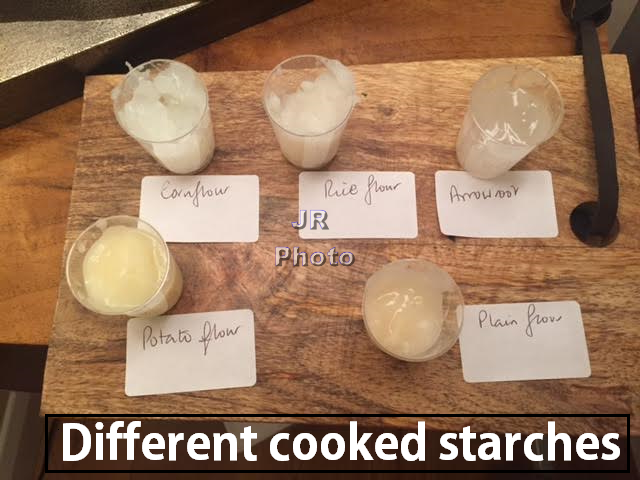
So test some starches:
Rice starch, cornflour, plain flour, arrowroot, potato flour … you choose.
Create a FAIR TEST. Mix the same amount of starch (10g) with the same amount of water (100ml).
Heat each one in the microwave and look every 20 seconds, stir and remove when it is thick.
Taste and test each one.
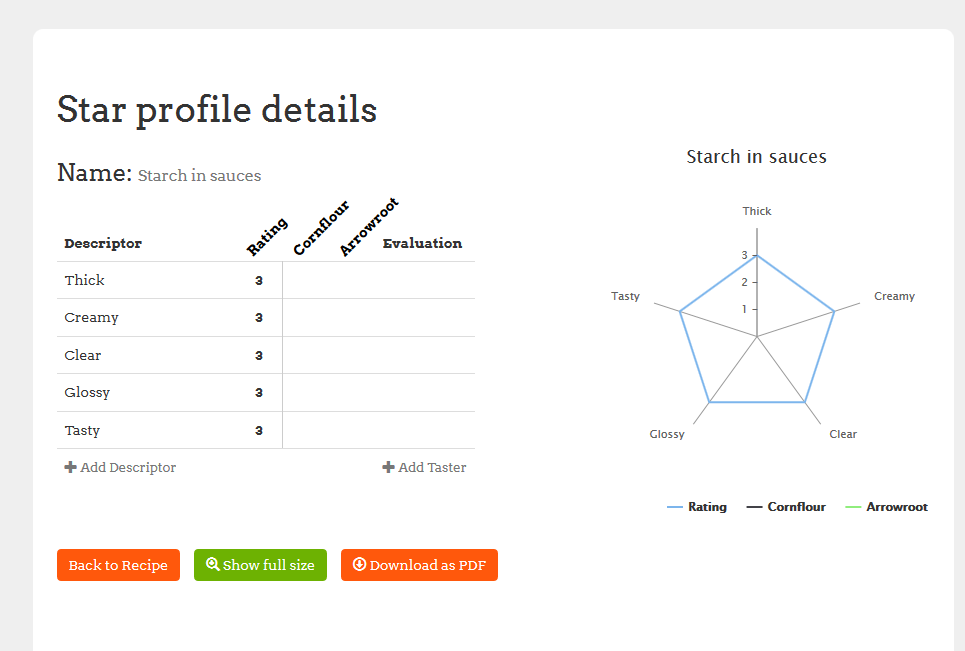
Use the Star Profile on the Nutrition Program to show your results:
First list the starches, then choose Descriptors – words to describe the results – thick, creamy, clear, glossy, tasty …
Fill in your tasting results:-
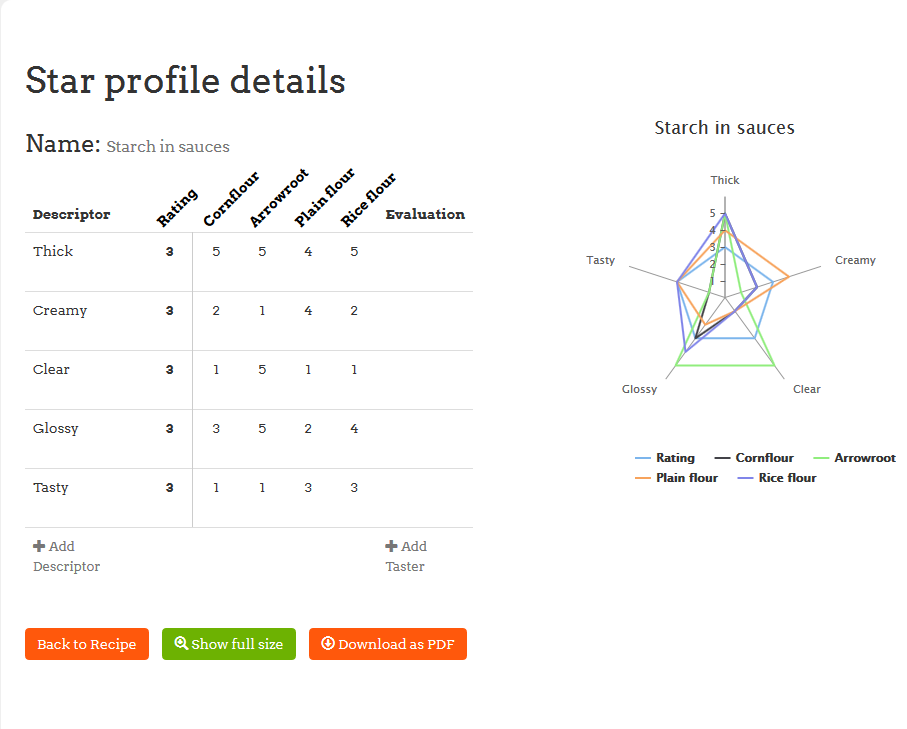
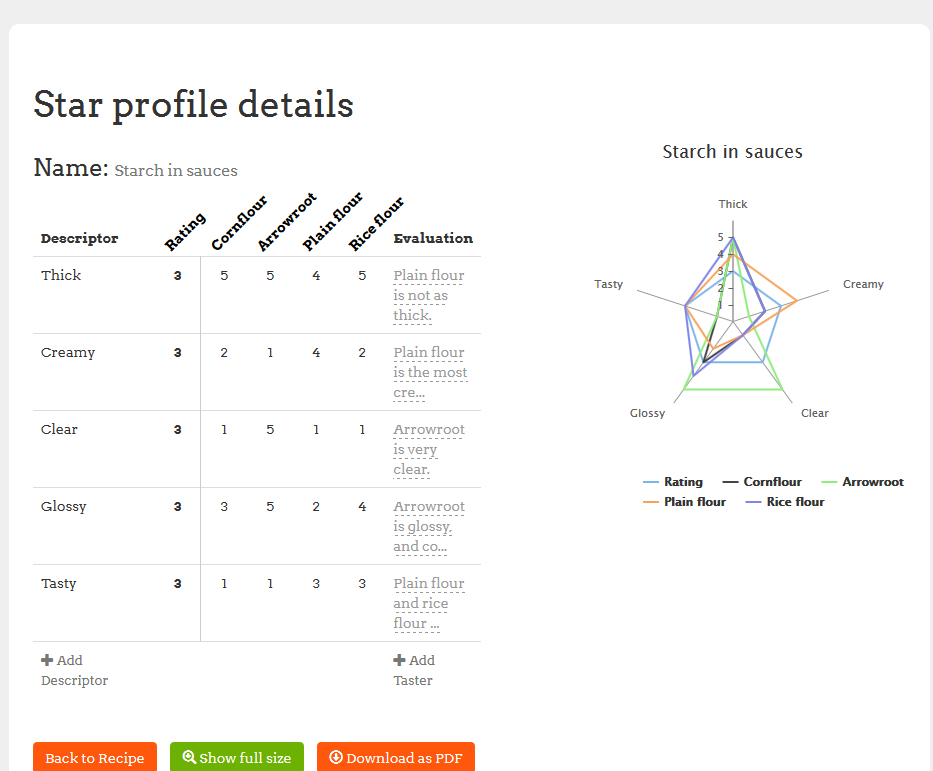
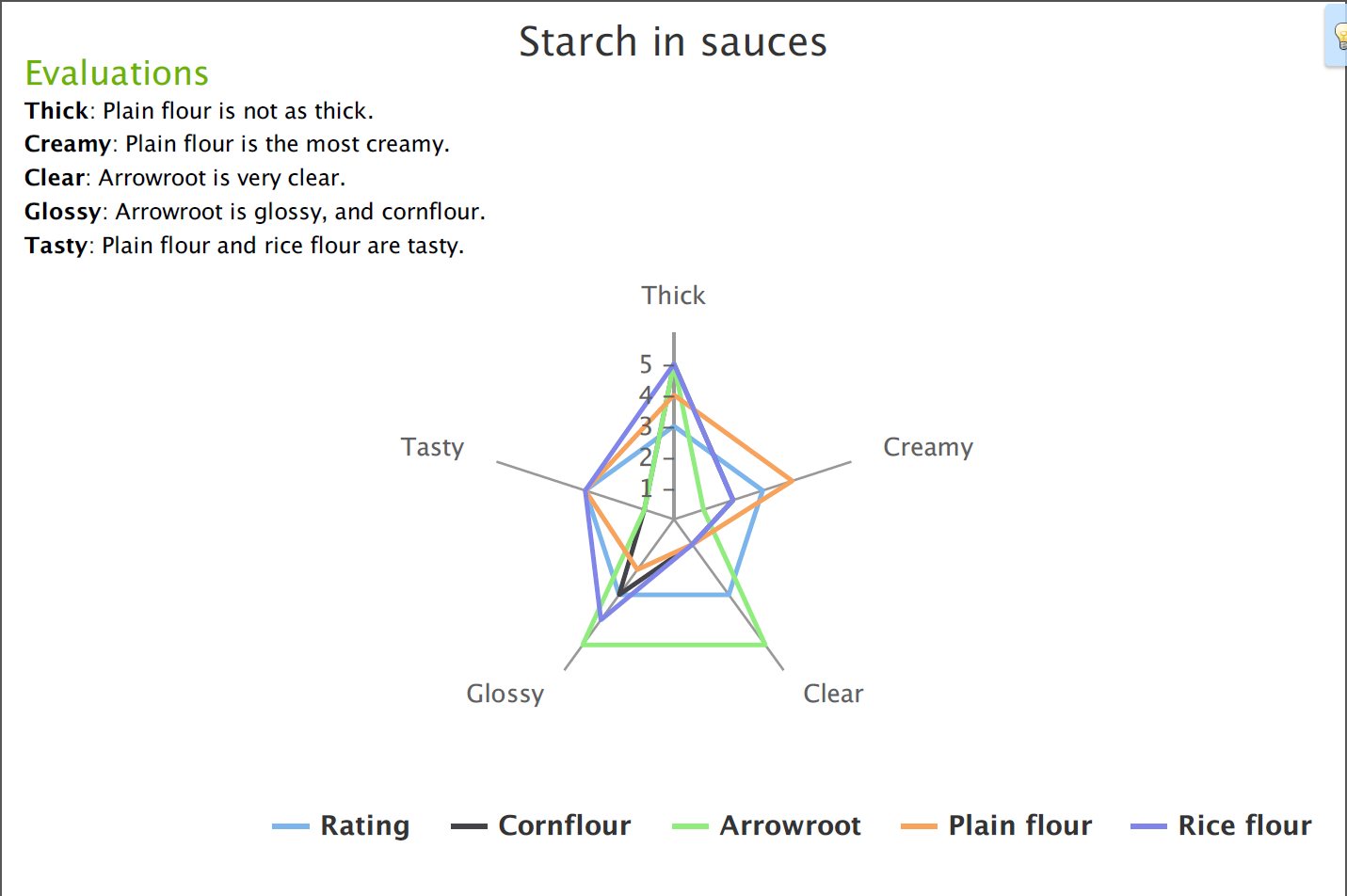
Star profile on YouTube for Nutrition Program
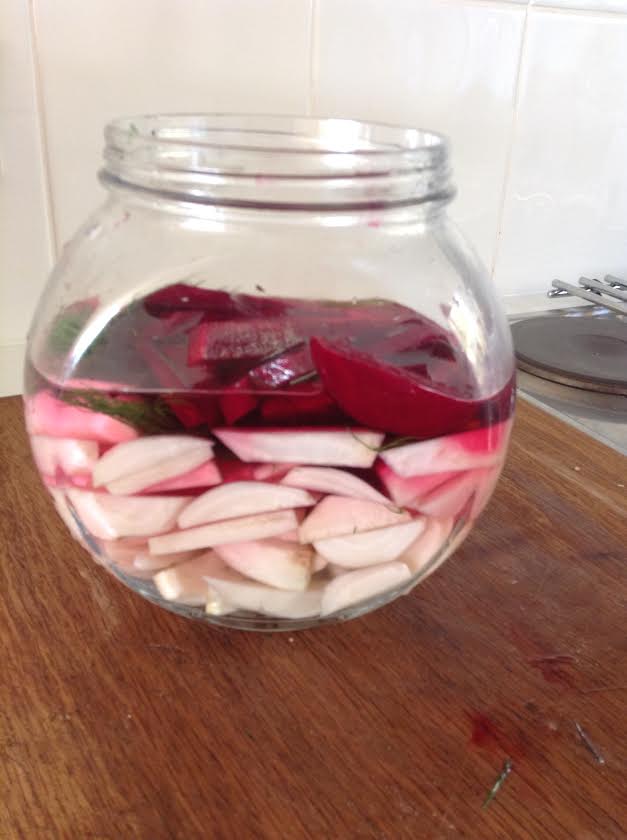
Pink pickled turnips are a favourite ingredient in falafel wraps and mezze in the Middle East.
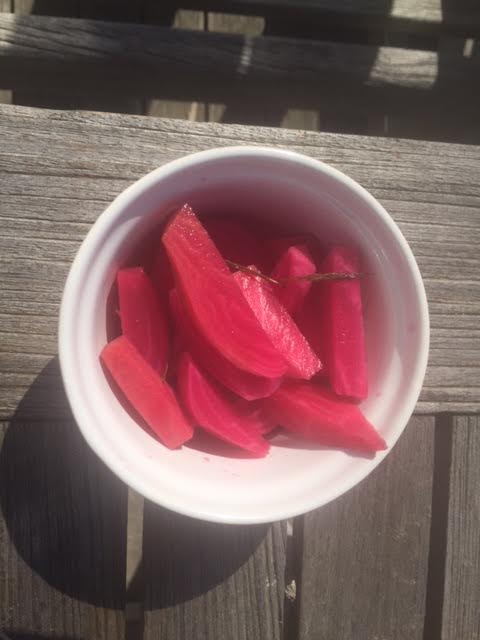
Pink pickled turnips – done!!
The science of making them is amazing – osmosis transfer of the colour from the beetroot to the white turnips.
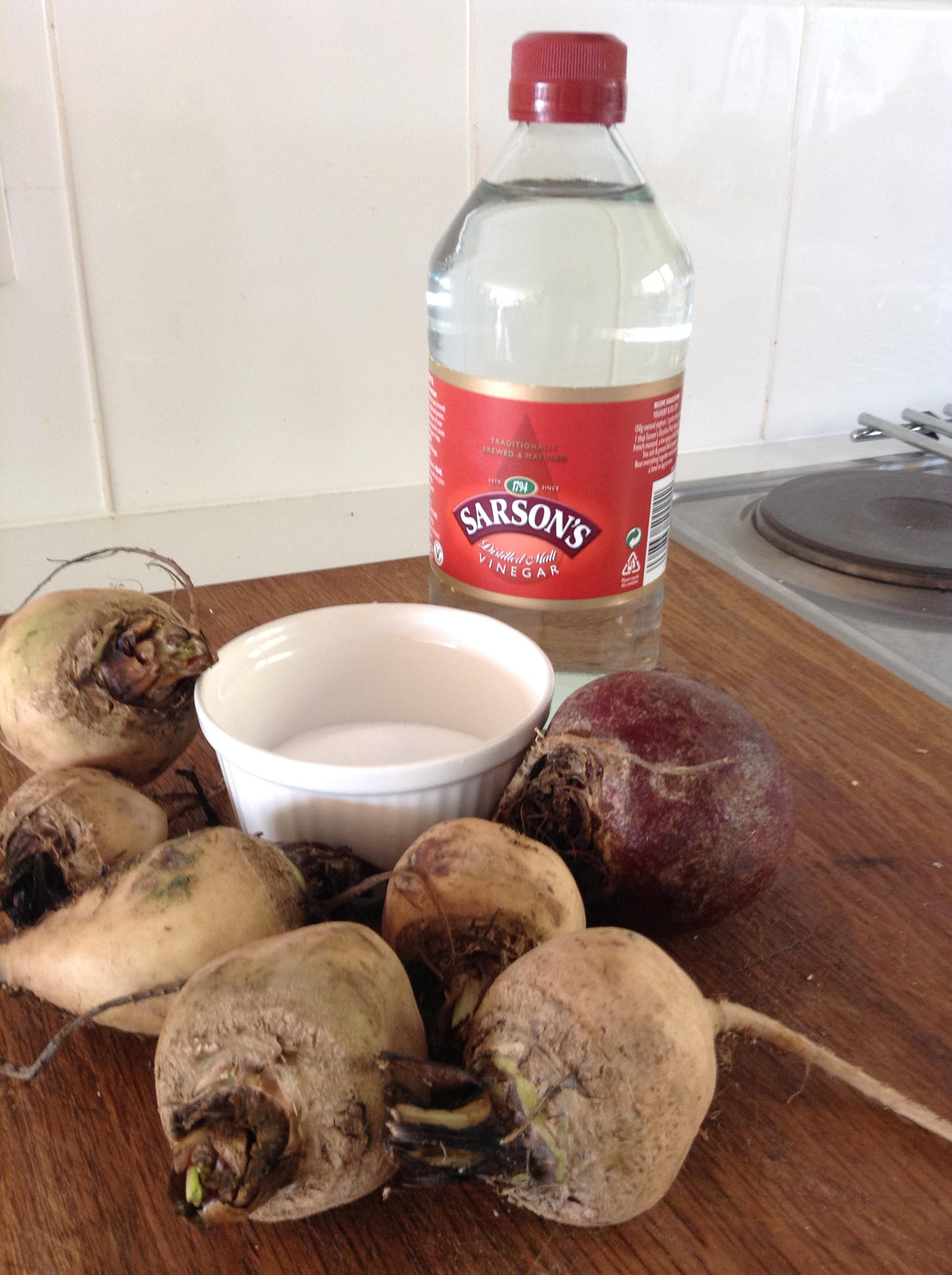
Ingredients
500g small white turnips
1 small red beetroot 25g
25g salt
300ml white distilled vinegar
300ml water
1 teaspoon sugar
1 red chilli
Method
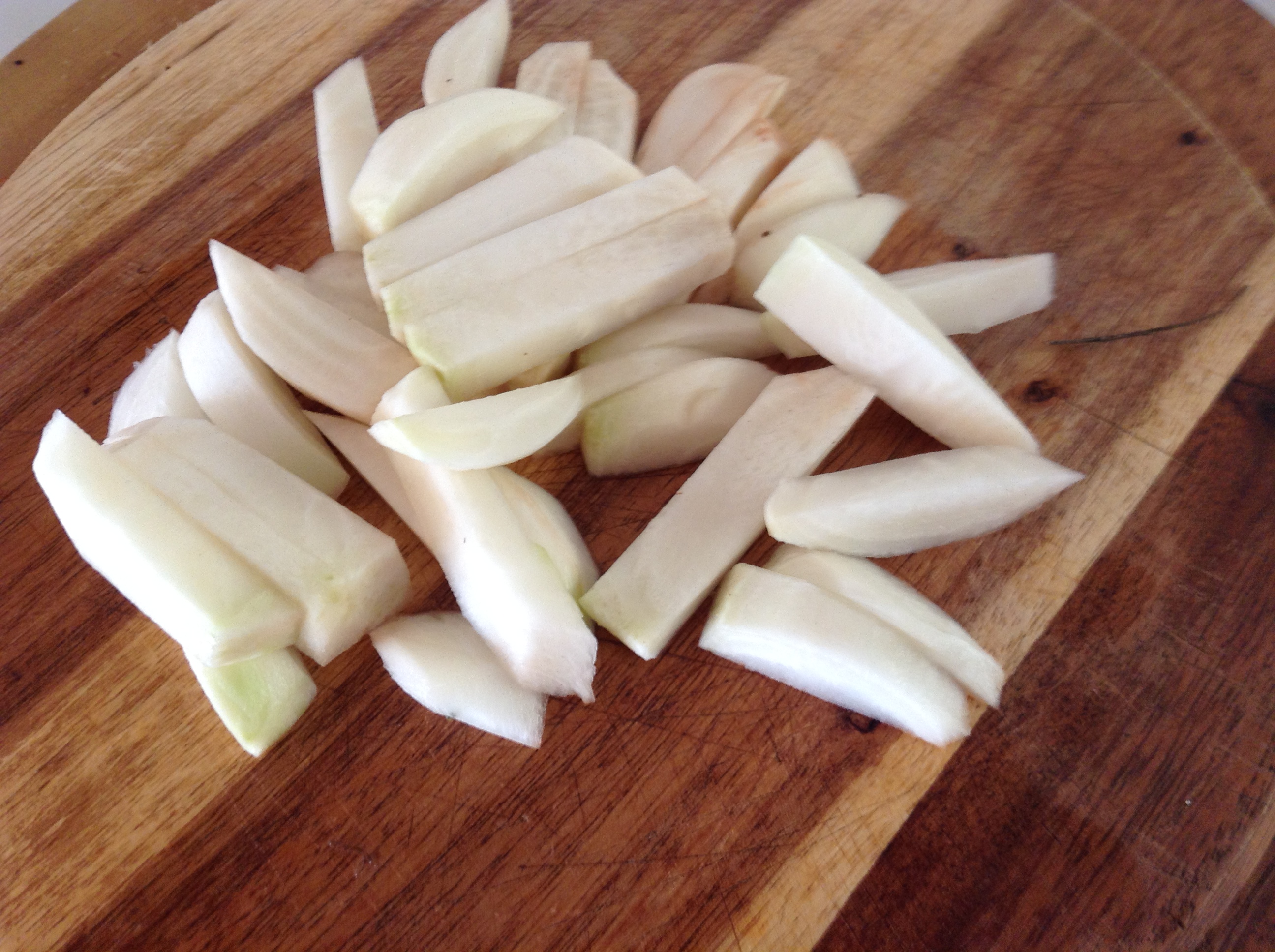

Pink pickled turnips – done!!
This YouTube video shows how to use the Star Profile of the Nutrition Program to Investigate flours used for bread.
Set up a Star Profile to compare the different flours used in bread. Complete the Star Profile with your results.

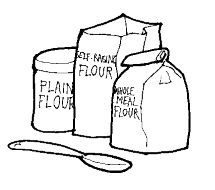
The amount of gluten, the protein in flour, affects how the flour can be used in cooking.
Compare the protein content of different flours
Use the Nutrition Program for this investigation.
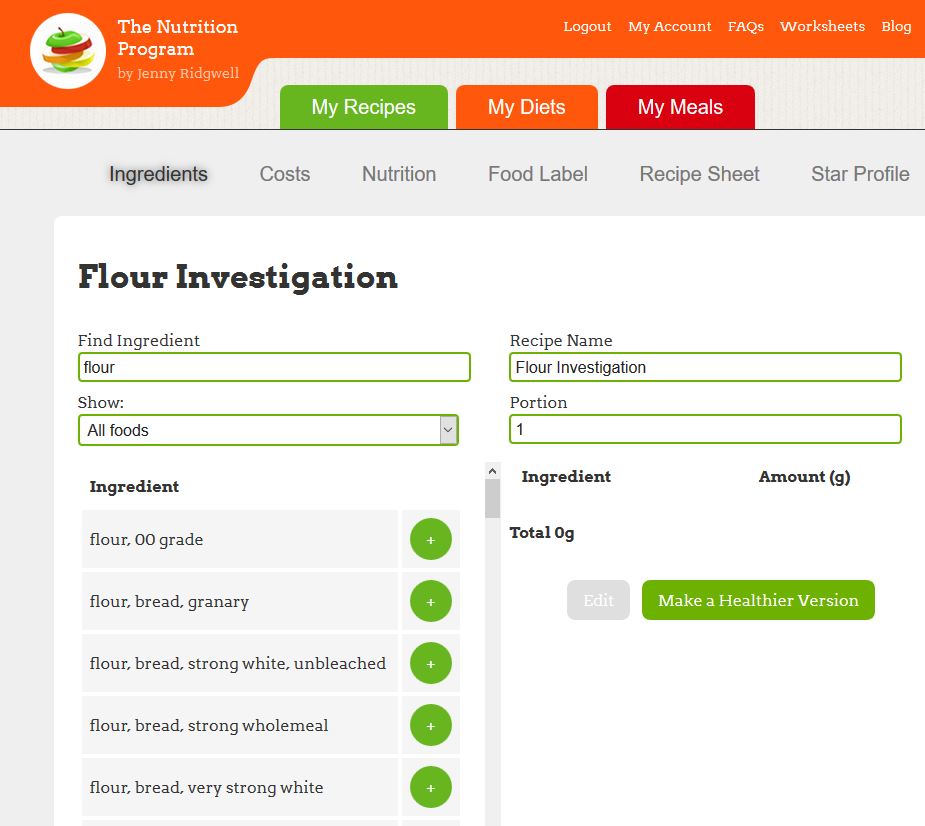
If you want to look at what flours to use for bread choose 4-5 types
For example
Choose them each in turn – the screen shows the Macronutrients for 100 g.

To get nutrition for the next flour, Cancel and go back to Find Ingredient.
Collect screen images and put the results of protein in 100g on a table like the one below.

| Flour | Protein in 100g |
| Flour 00 grade | 11g |
| Flour strong white bread | 13g |
| Flour, plain | 9.7g |
| Flour, self raising, white | 8.9g |
| Flour, gluten free bread flour, Doves farm | 4.8g |
For NEA 1 research, compare the protein content – my results show that Strong, white bread flour has the most protein and so the most gluten which forms the structure of the loaf.
Use Food Science You Can Eat to help

Costing a dish – see the You Tube video
Costing a recipe on Youtube
The cost of a recipe is worked out for a portion and the whole recipe. You can work out costs by hand, on a spreadsheet or using a computer program.
Cost of ingredients depends on
Terms from AQA Food and Nutrition GCSE requirements
See how the Nutrition Program can do it for you!
2. Type it in My Recipes and go to Costs:
 3. At the bottom of the chart it shows the recipe costs £2.82 and the portion costs £1.41.
If you think any costs are too high or low, email me.
 The Nutrition Program Blog