Popcorn – nutrition and gelatinisation NEA 1

Popcorn makes a fun lesson for food science and you can explore lots of food knowledge.

I know it’s not a healthy food, but that’s the point – let students discover its nutrition – mostly starch.

Here’s some activities you can investigate

  • For teachers – what is the value of a lesson with popcorn?
  • Find 20 popular products made from maize. Now plan a day’s meals and snacks with foods made from maize.
  • Find the nutritional value of plain popcorn and then find health claims people are making
  • What is the science behind popped corn? Look at popping kernels then look at popped corn and work it out!
  • How much does it cost? Compare supermarket sites for cost 100g. Where does it come from?
  • Get hold of a bag of cinema popcorn and fill it with popcorn you have made – work out how much it has cost.

Nutrition of cinema popcorn

I can’t find the weight of Cinema popcorn but here’s some nutrition data from The Odeon – fascinating reading.

Sweet popcorn – small 318 kcal 15g sugar 3.5 tsp sugar

Sweet popcorn – medium 522 kcal 26g sugar 6 tsp

Sweet popcorn  – large 816 kcal 40g sugar 9 teaspoons sugar

Salt popcorn – small 357 kcal 0.48g sugar 0.7g salt

Salt popcorn – medium 609 kcal 1.2g salt

Salt popcorn – large 812 kcal 1.6 g salt

Small coke 195 kcal, 48g sugar (11 tsp)

Small fanta 195 kcal, 48g sugar (11 tsp)

Large coke 390 kcal, 97g sugar (22 tsp)

World Health Organisation suggests we cut sugar to 5% daily intake.

That’s about 25g (around six teaspoons) for an adult of normal weight every day.

A teaspoon of sugar weighs 4.4g so

The large popcorn bags are intended for sharing but are often eaten by just one person.

Make your own popcorn in a microwave

Ingredients

10g popping corn

Equipment – clear plastic food container with lid, plate

Method

Put the popping corn in the food container and put lid on top.

Cook in the microwave for 1 minute. Some kernels may begin to pop. Removed the popped ones and microwave for a further minute.

Remove the popped kernels and heat the remaining ones again. You will find that some do not pop – this is because they are too hard and dry.

Take care when you open the lid as the steam is hot.

Now think of the science – the kernel is heated and the water in the kernel heats and turns to steam.

The starch in the kernel gelatinises with the water and expands and the steam and the cooked starch explode outside the kernel.

This bursts the grain and the starchy gooe turns inside out and the protein in the maize coagulates forming the popcorn.

  1. Heat the oil in a large, thick bottom saucepan.
  2. Put 4-5 popping corns into the oil and when they pop, add the remaining corns.
  3. Cover with a tight fitting lid and remove from the heat. Count to 30 – this brings all the corns to the right temperature ready for popping.
  4. Put the pan back on the heat with the lid on – you can hear the corns popping.
  5. Leave the lid slightly open to allow steam to escape.
  6. When the popping begins to stop, remove from the heat and put the popped corn into a bowl.
  7. Remove any unpopped corn – these are very hard and can break your teeth.
  8. Popcorn needs to be eaten soon after it is made – or store in a closed plastic bag for a short time.

Flavour the corn with salt mixed with finely ground spices such as smoked paprika, cumin and coriander.
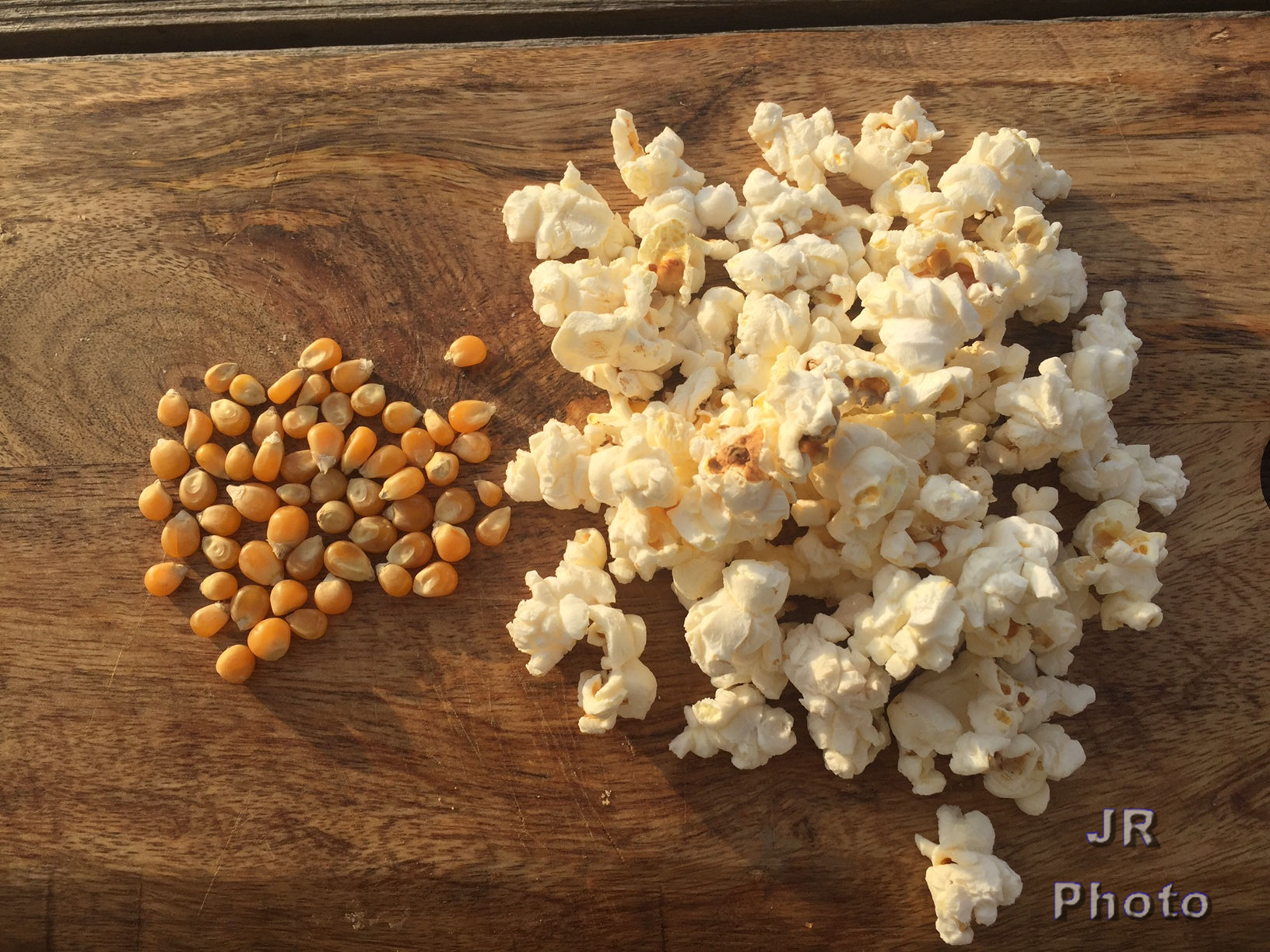
popcorn kernels and cooked

Unpopped corn and the cooked amount

Sweet popcorn can be tossed with icing sugar and cinnamon.
Save

Save

Save

Save

Save

Save

Save

Save

Save

Save

Gelatinisation of starch – NEA 1

Food and Nutrition GCSE has an Investigation NEA which could be

Investigate the ingredients used to thicken sauces and soups

Look at the Book NEA 1 Food Investigations

This is how I do it:
Think what ingredients are used to thicken sauces and soups and which starch is best for recipes.

White sauce, Tomato sauce or soup, Fruit sauce…

Starchy ingredients thicken sauces when they are heated in liquid.

So test some starches:
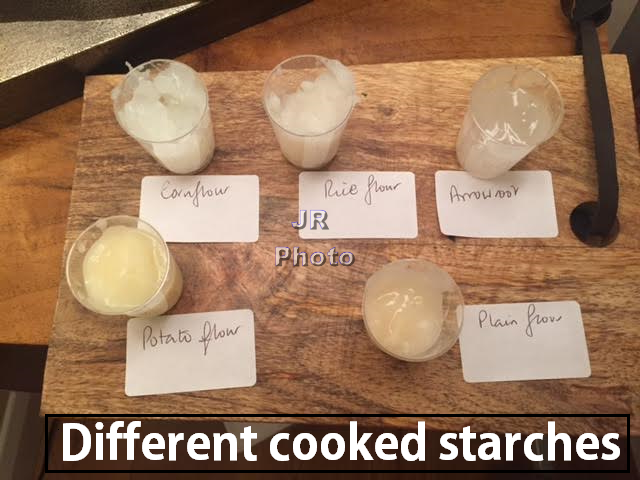
Rice starch, cornflour, plain flour, arrowroot, potato flour … you choose.

Create a FAIR TEST. Mix the same amount of starch (10g) with the same amount of water (100ml).

Heat each one in the microwave and look every 20 seconds, stir and remove when it is thick.

Taste and test each one.

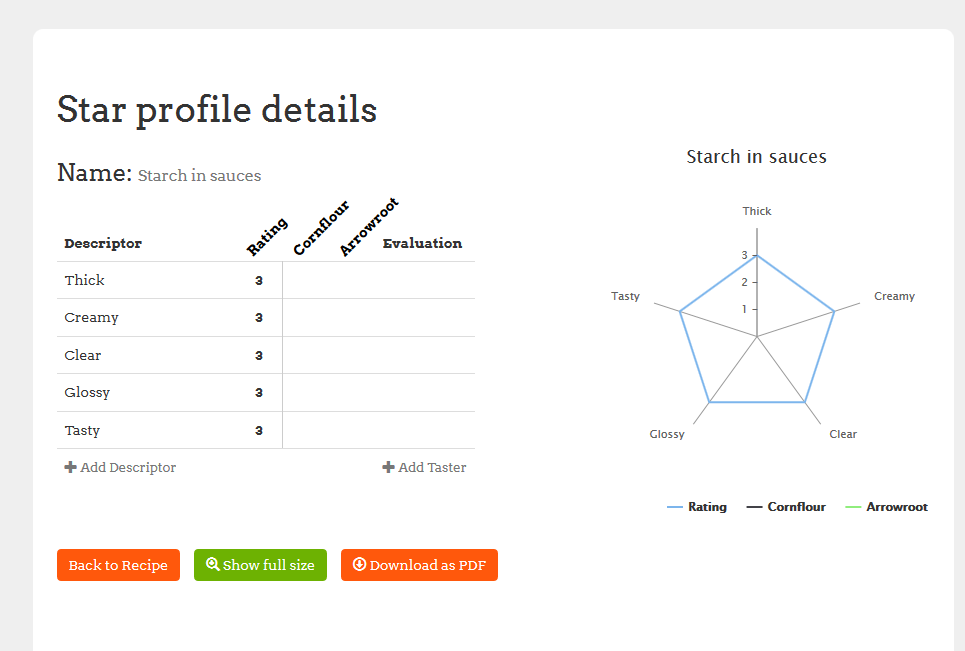
Use the Star Profile on the Nutrition Program to show your results:

First list the starches, then choose Descriptors – words to describe the results – thick, creamy, clear, glossy, tasty …

Different starches and gelatinisation
This star profile from Nutrition Program shows tasting results
This star profile shows tasting results

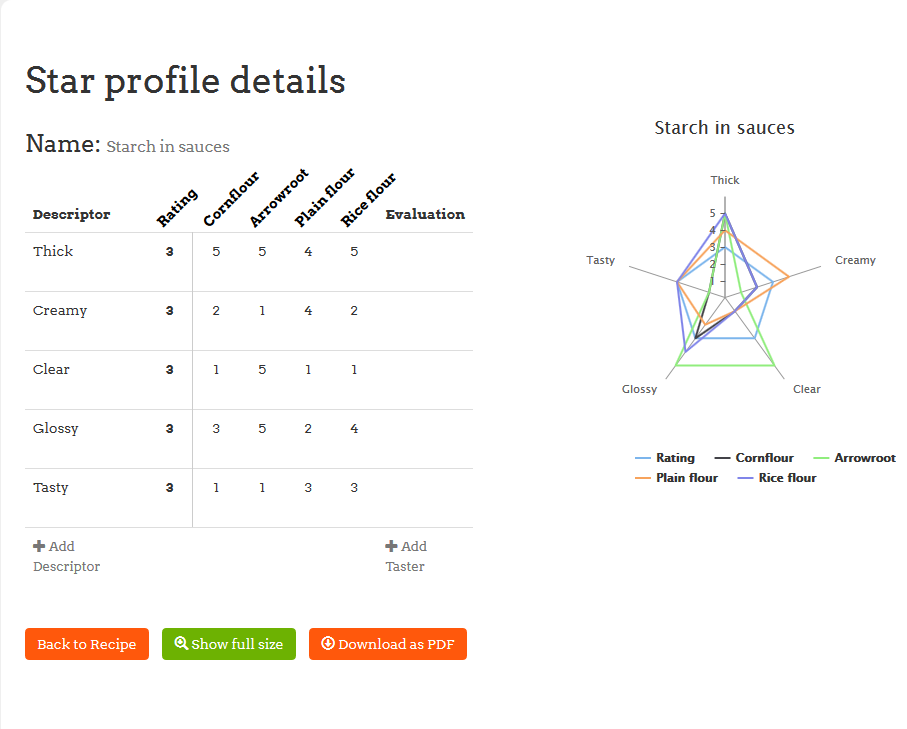
Fill in your tasting results:-

This star from Nutrition Program shows the results
This star shows the results for the starches
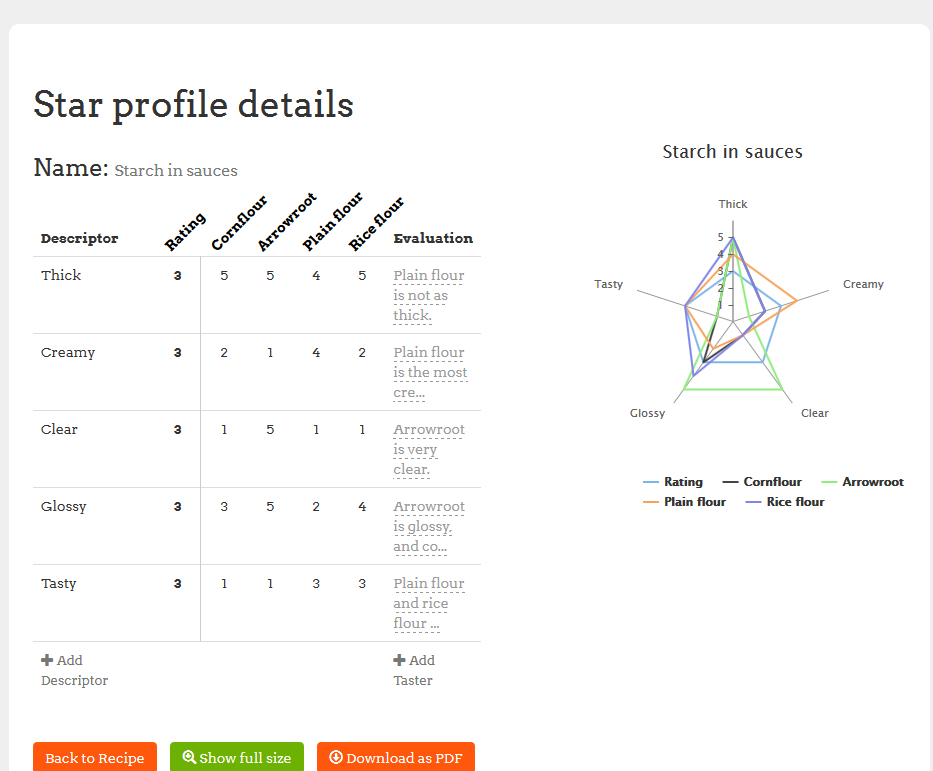
This star shows the evaluations of gelatinisation
This star from the Nutrition Program shows the evaluations of gelatinisation
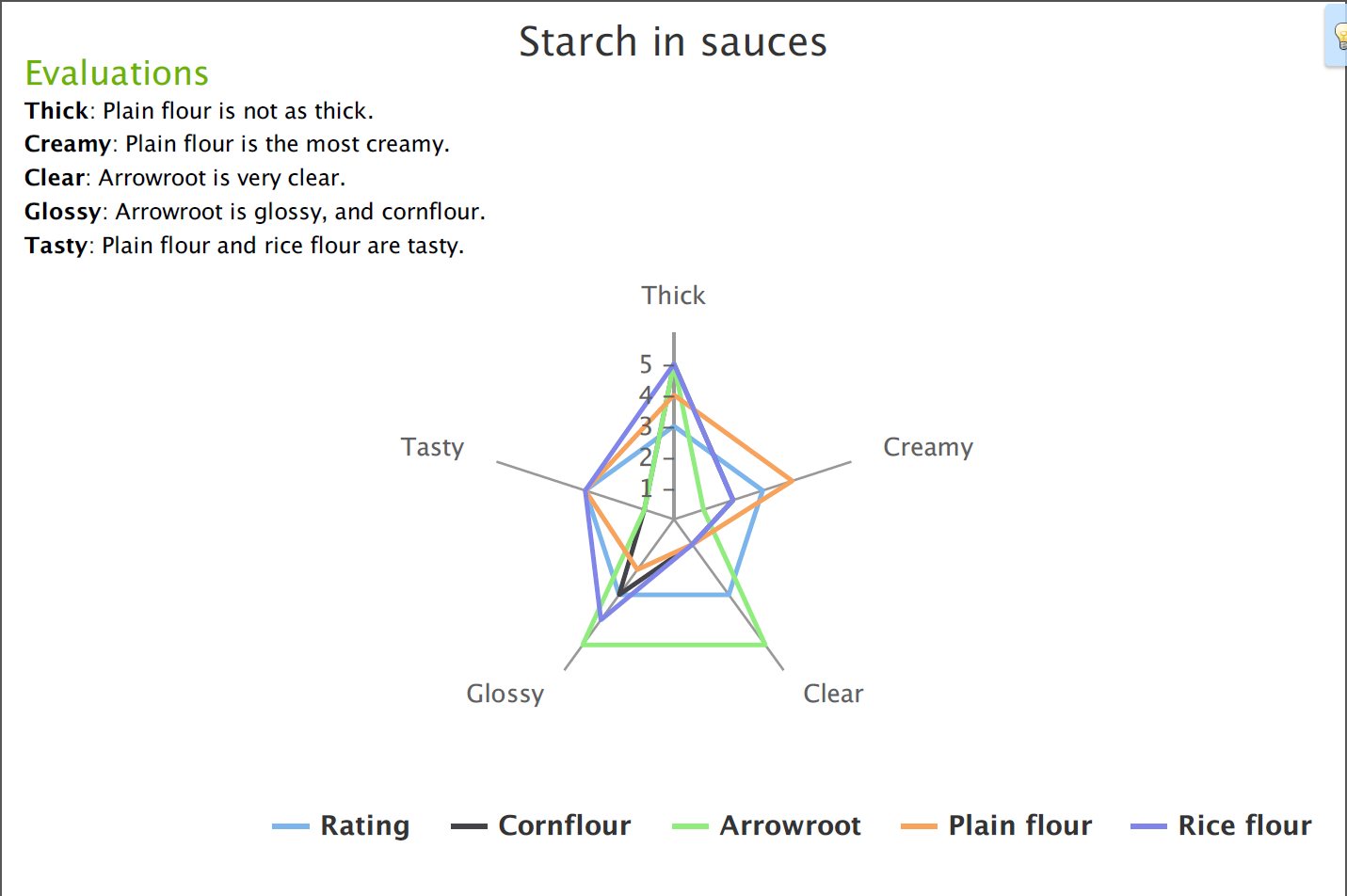
These are the final results of the starch test.
These are the final results of the starch test presented using The Nutrition Program.

Save

Save

Save

Save

Star profile on YouTube for Nutrition Program

Pink pickled turnips

Pink pickled turnips are a favourite ingredient in falafel wraps and mezze in the Middle East.

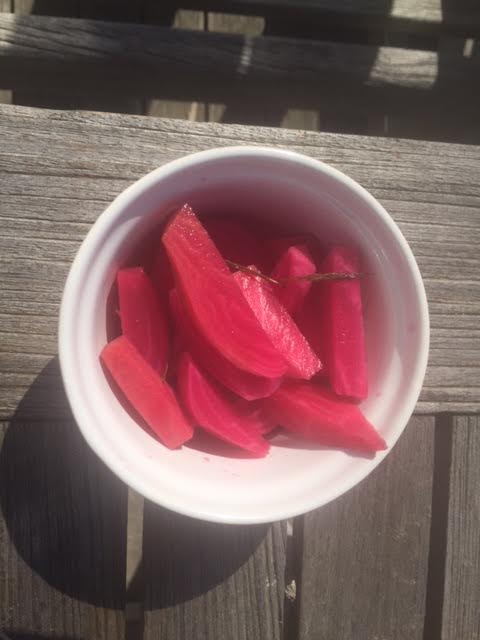
Pink pickled turnips - done!!

Pink pickled turnips – done!!

The science of making them is amazing – osmosis transfer of the colour from the beetroot to the white turnips.

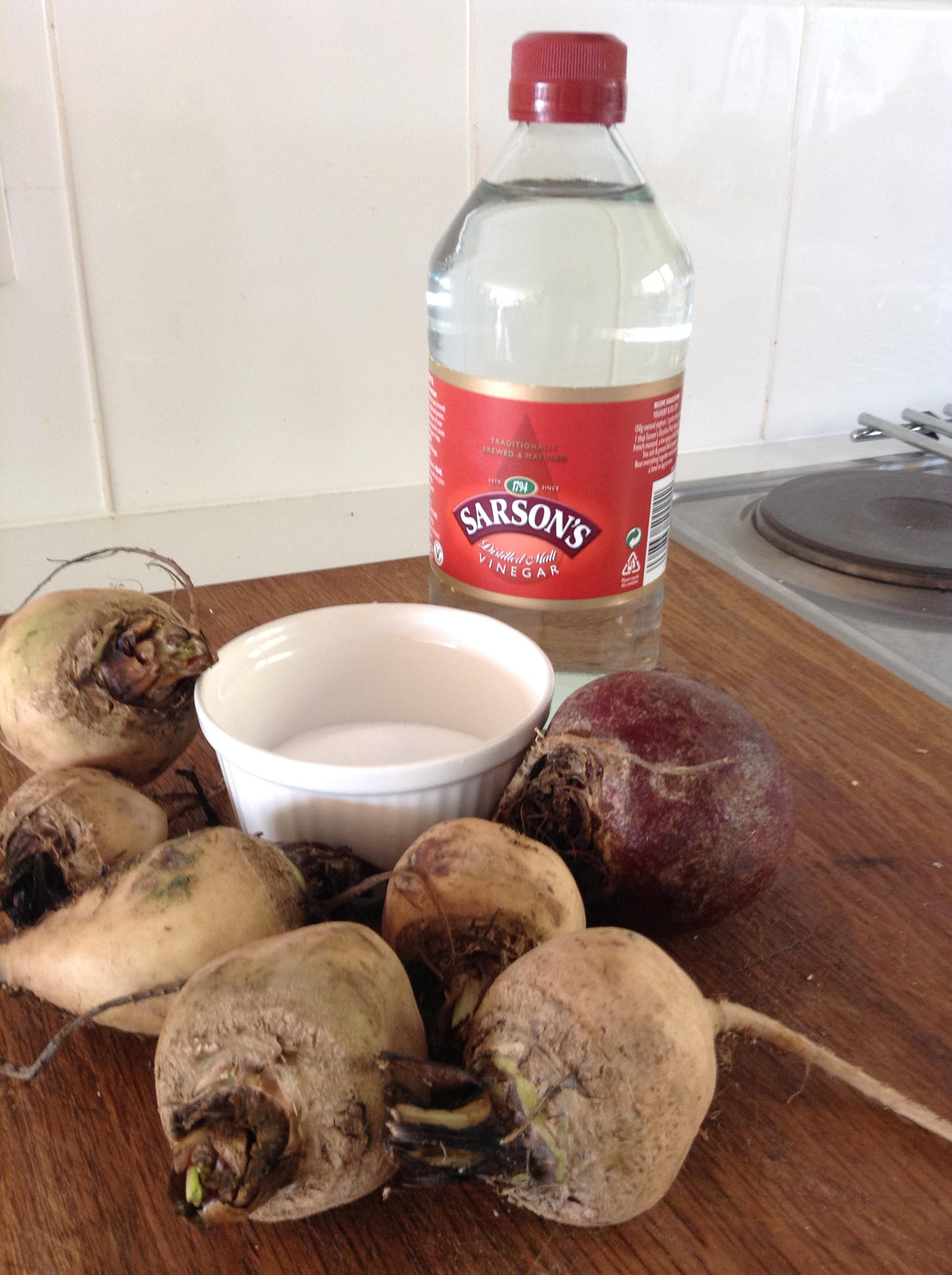
Ingredients

500g small white turnips

1 small red beetroot 25g

25g salt

300ml white distilled vinegar

300ml water

1 teaspoon sugar

1 red chilli

Method

  1. Peel the turnips and the beetroot to remove outside skin.
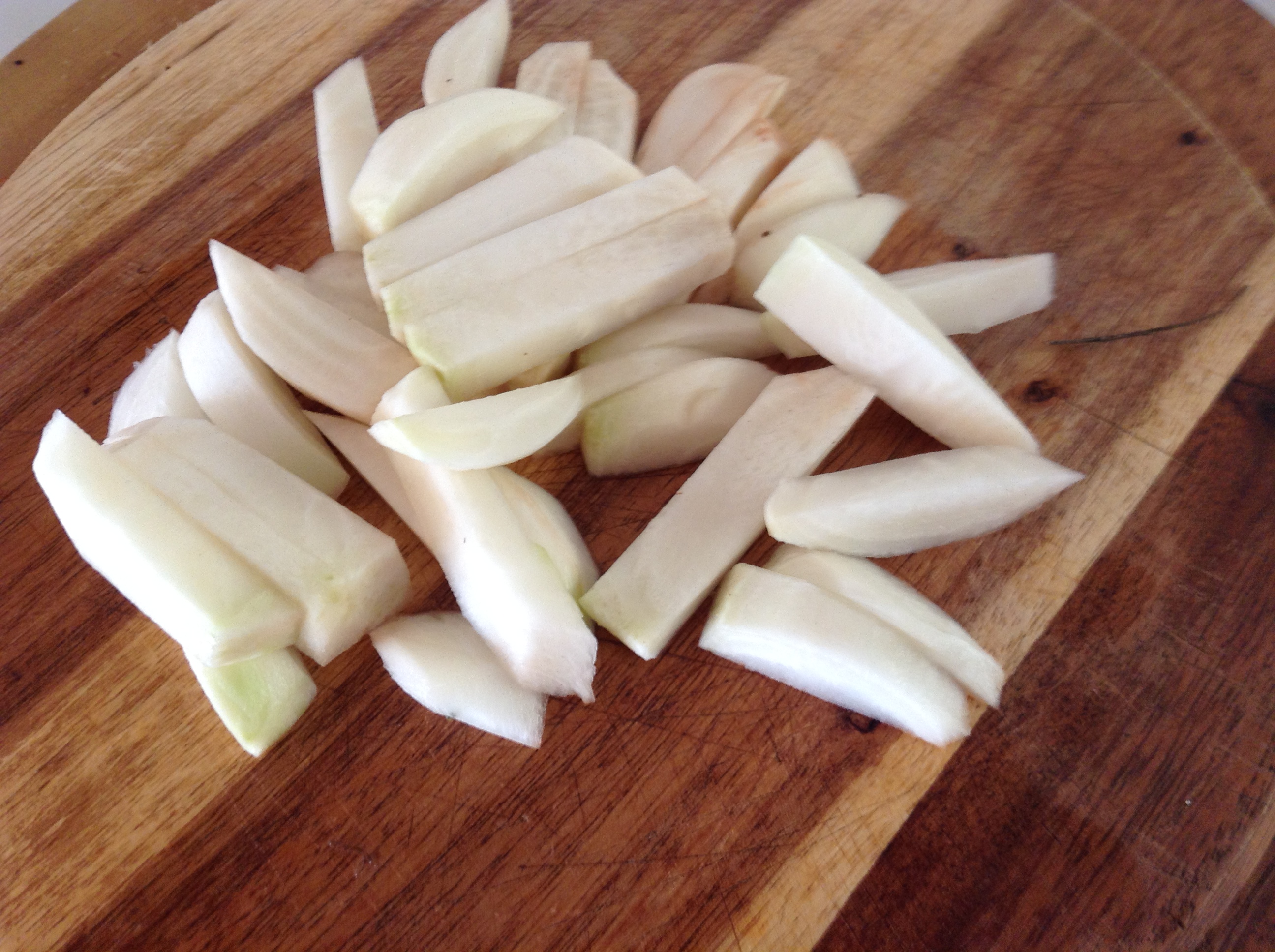
  2. Cut into 1 cm chip sized shapes. Put in a bowl and sprinkle over 1 tablespoon of salt. Leave for 15 minutes so that the turnips soften.
  3. Heat the vinegar, water and sugar in a saucepan
  4. Wash the turnip chips by placing in a sieve and running cold water through them. Dry with paper towel
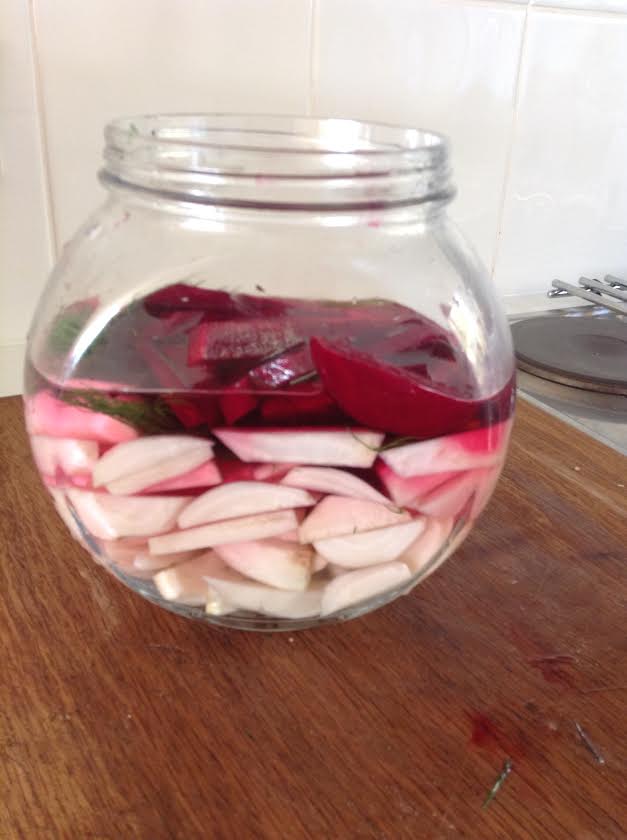
  5. Place turnip chips into a glass jar and cover with the slices of beetroot.
  6. Pour over the vinegar mixture – you can add chilli for flavour.
  7. Cover and store for a week to allow the turnips have turned pink. Leave for longer and they will turn pinker. They can be stored for up to 6 weeks in the refrigerator.
  8. The pickled turnip strips can be used as dips for hummus or rolled up with falafel in pitta bread with some tahini dip. I like to remove the beetroot strips as they lose their colour in the pickling.

Pink pickled turnipspickled turnipsturnip3Pink turnips after week

Pink pickled turnips - done!!

Pink pickled turnips – done!!

Save

Save

Save

Save

Save

Chemical raising agents – NEA 1

Food Science You Can Eat - all the science you need for Food GCSE
Food Science You Can Eat by Jenny Ridgwell – all you need for Food GCSE

NEA1 Investigations available on this link. Please this book was written in 2016 so check exam spec.

For my Chemical raising agents investigations I tested different raising agents in warm water. See the results on this link.

When the scones were baked I took photos. They are a bit burnt! I made batches with different raising agents to compare.

Presenting results

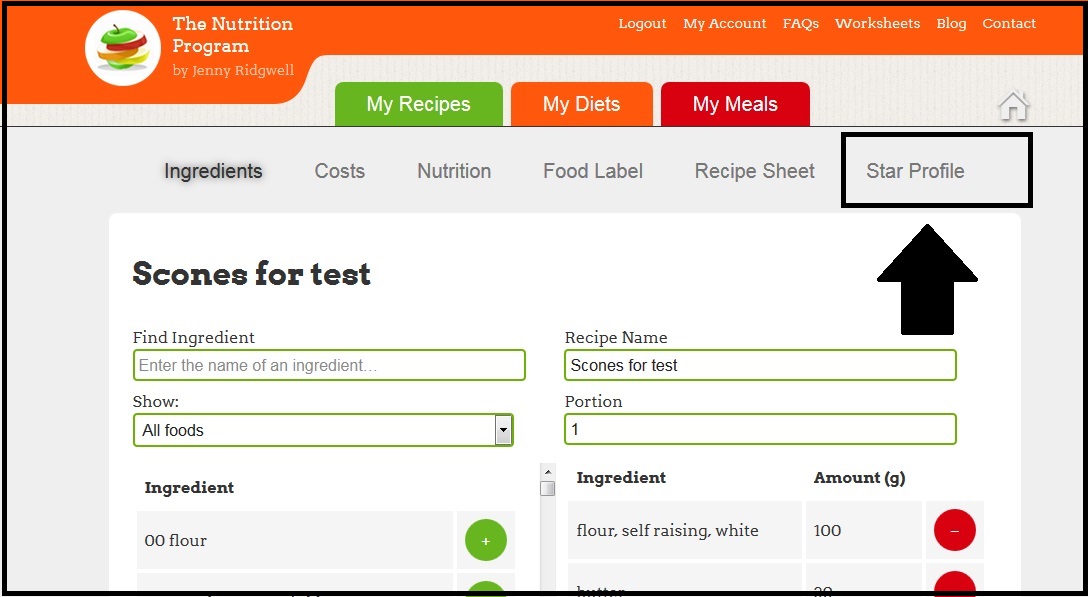
I used The Nutrition Program to present the results of the tasting. This is how it is done.

Open the Program

Click My Recipes and name one as Scones for test or something like that.

Put in each scone recipe in Ingredients.

Go to Star Profile.

Star profile for chemical raising agents

For each Taster put in the name of the raising agents – I’ve chosen plain + baking powder, SR + baking powder, plain + bicarb and tartar, SR flour

Then think of Descriptors for sensory appraisal – your tasting work.

I’ve chosen light, well risen, crumbly, solid

Then I tasted the scones and gave each a mark out of 5 where 0 = not and 5= very.

This is function is added to The Nutrition Program for NEA 1 test – Click Hide Rating.

Star profile for chemical raising agents

I can now see the Star Profile with each scone tasted.

Then I can write my Evaluations.

Evaluation of raising agents

Then Download as JPG and write some comments

Full marks I hope!!

All this work and more appear in Food Science You Can Eat 


Pickled onions – the science

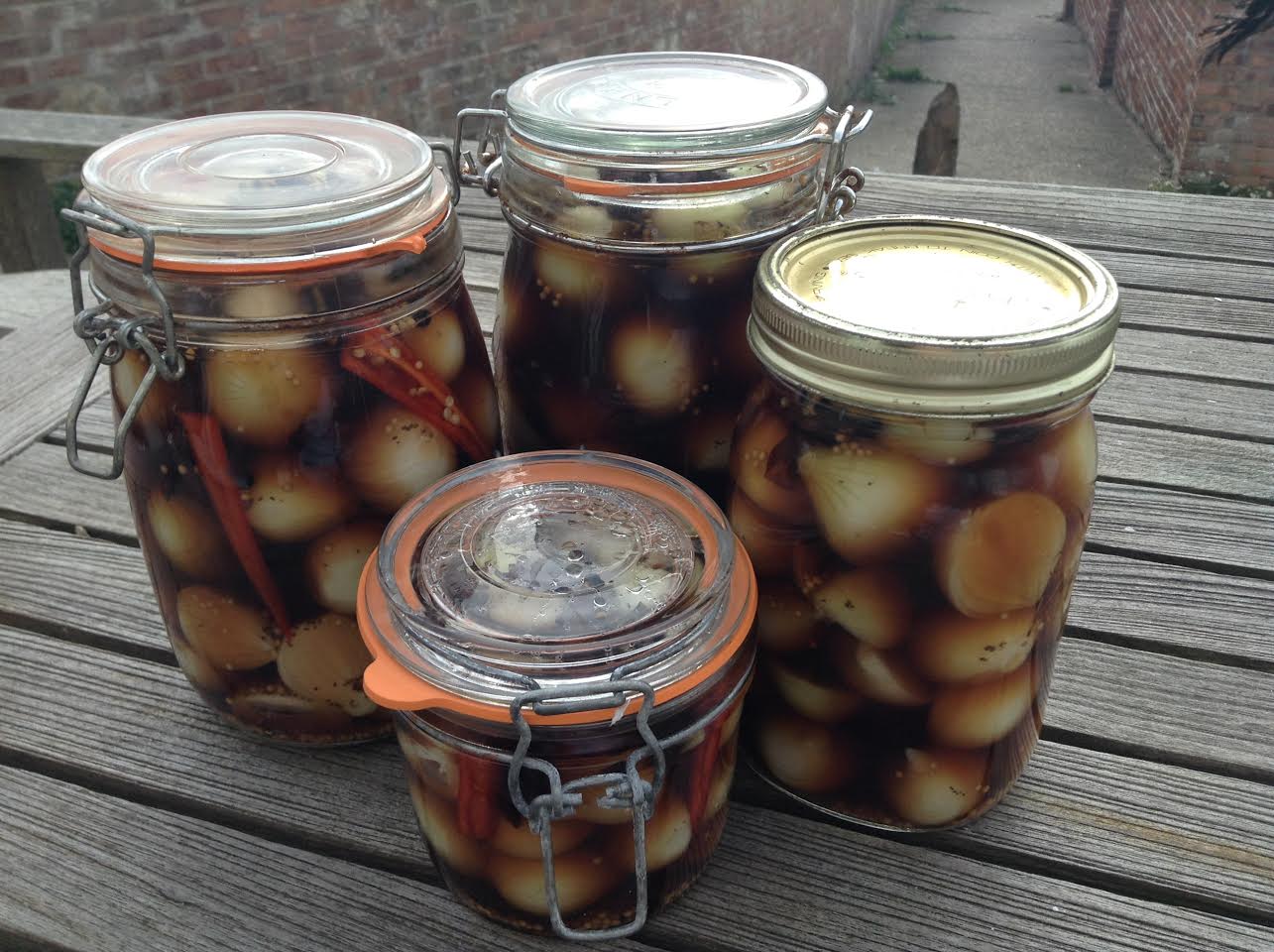
Pickled onions with star anise, mustard seeds and peppercorns

Pickled onions with star anise, mustard seeds and peppercorns

Seal in jars and leave for 6 weeks to infuse

Seal in jars and leave for 6 weeks to infuse

Ingredients

600ml brown malt vinegar

500g small pickling onions

25g table salt

100g brown sugar

10 peppercorns

2tsp mustard seeds

4 star anise
(You can swap spices to your own taste so use coriander or cumin seeds, chillies and bay leaves.)

Method

  1. Put the unpeeled onions in a large bowl and pour over some very hot water water. Leave for a minute then pour into a colander or sieve to remove the water.
  2. The onion skins should peel off very easily! But watch out they can make you cry.
  3. Put the peeled onions a bowl and sprinkle with salt. Turn the onions with your hands to coat each one with salt.
  4. Cover and leave overnight or up to 24hrs.
  5. Pour the vinegar and sugar into a large saucepan with the peppercorns, mustard seeds and star anise. Boil then remove from the heat, cover with a lid and leave to let the vinegar absorb the flavour of the spices.
  6. Next day rinse the onions well to remove the salt and dry with a paper towel.
Pack the onions into sterilised jars.
  7. Pour over the vinegar, including the mustard, peppercorns and star anise, to cover the onions. Seal and allow to mature for 6 weeks.

The science bit

Adding salt to the onions before they are pickled, removes some of the water in the onion cells by osmosis. Removal of water helps the onions keep longer as bacteria, yeasts and moulds cannot multiply so quickly.

The onions are pickled in a sugar, spice and vinegar solution.

The vinegar changes the pH and prevents the enzymes and the microorganisms from working so the onions are preserved and keep for a long time.

My blog on Cooking in the 1970s

Here is the link to my pickled onion lesson of 1972.


It made the boys cry but the room had wonderful smells of pickling!

Save

Save

Save

Save

Save

Save

Save