What is my recipe for outstanding presentation? – by Carly Anderson Notre Dame School
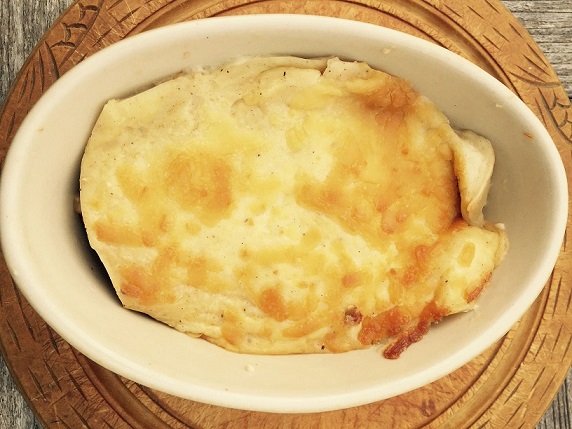
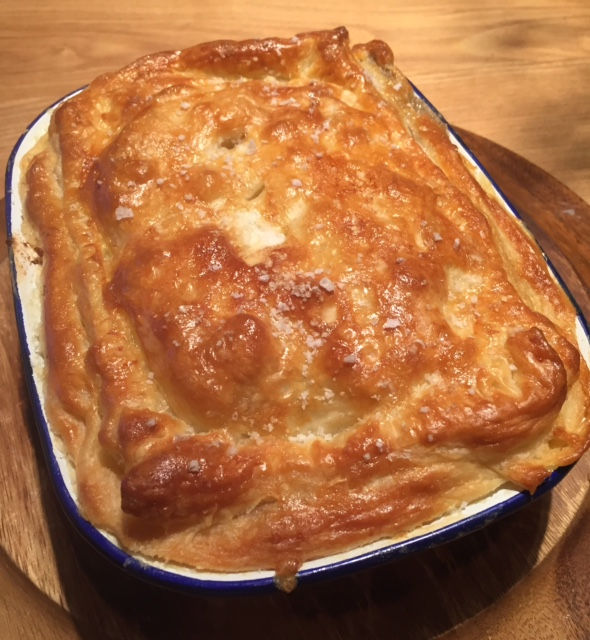
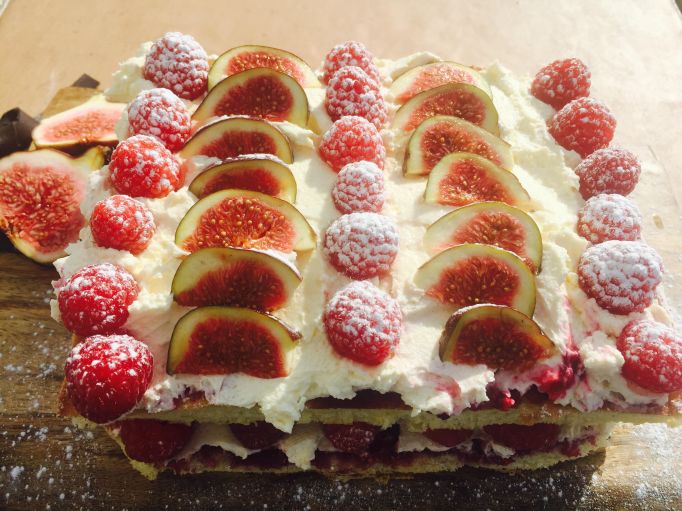
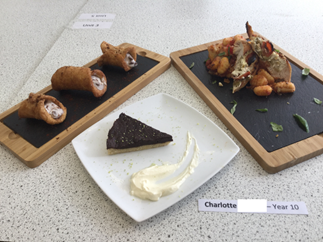
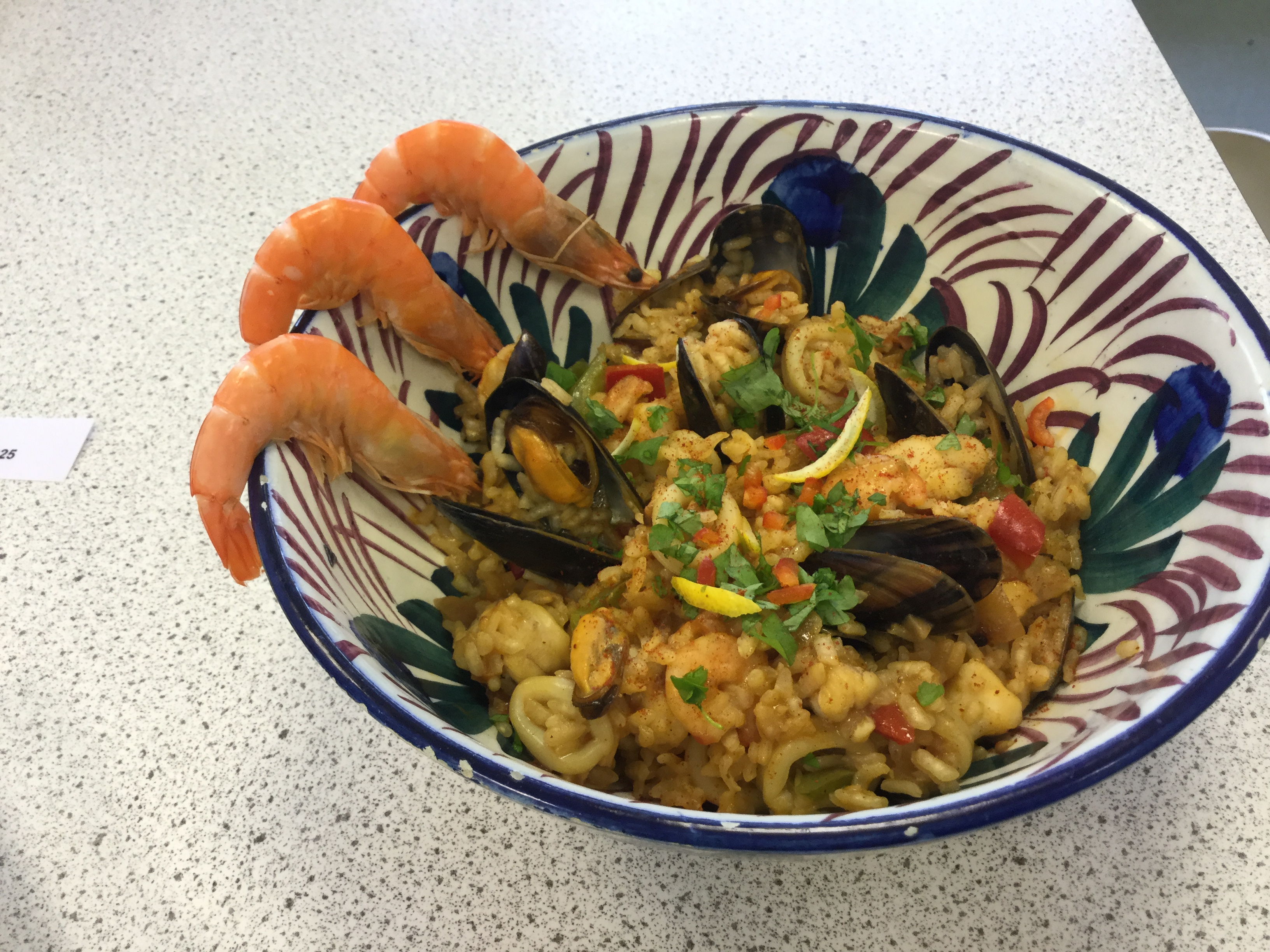
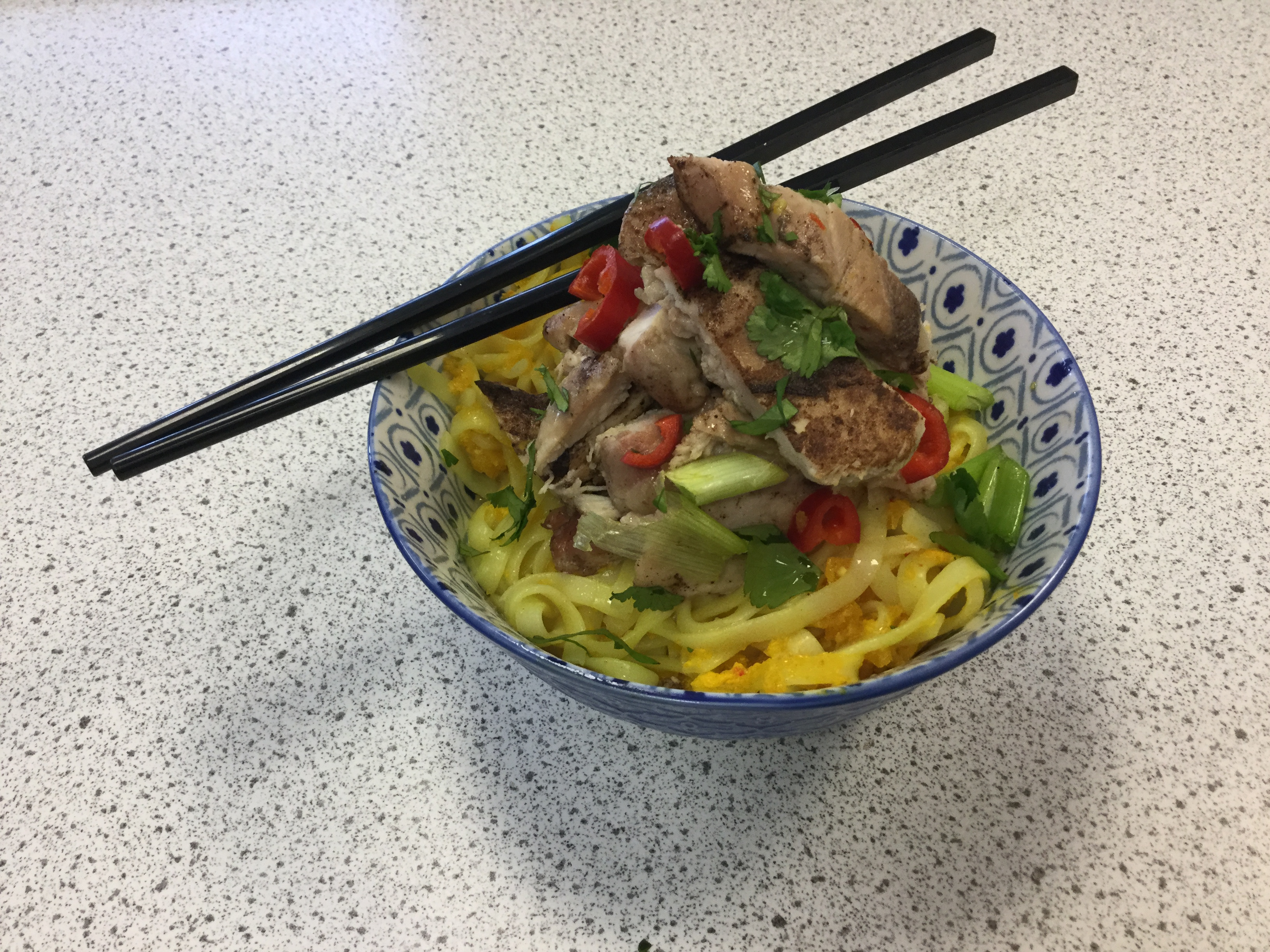
As we all know, in light of the new GCSE, advanced presentation skills are essential for achieving the higher levels. The NEA 2 focuses on presentation and awards marks for this skill (OCR). This year I have been working hard with my pupils to develop a greater understanding of how crucial presentation is when creating dishes; after all, we eat with our eyes first.
‘’ A true artist is not one who is inspired, but one who inspires others.’’ – Salvador Dali
So how do I do this?
Firstly, I try to instil in pupils from an early stage (KS3) the importance of presentation and encourage them to research dishes to aid in developing this. I build this into the KS3 curriculum when assessing and evaluating a dish during the sensory analysis process.
At KS4/5 pupils are required to plan the presentation of the majority of the dishes they produce. A great way to do this is to give them a template planning sheet for presentation. I use this tool as homework or as additional work for challenging higher level students. This is usually in the planning stage, preparing timed plans before practical lessons.
Thirdly, plenty of resources based on presentation. There are many good books that pupils can use as references in aiding the creation of stunning dishes. Pinterest is also an invaluable source for food presentation and fresh ideas.
Finally, it is essential to dedicate lessons to the understanding of presentation of food and when demonstrating such dishes, show pupils a variety of different ways to present them.
“Cookery is not chemistry. It is an art. It requires instinct and taste rather than exact measurements.” -Marcel Boulestin
When it comes to presentation I think encouragement and independent creative experimentation is key. The pupils need to feel comfortable in making mistakes and evaluating how to improve the dish the next time around.
“I know that when I present my dishes, if I don’t like the way they look I have the confidence to just start again, to make it look perfect.” Georgia Year 11
Thankyou to teachers for the kind reviews about The Nutrition Program on Facebook chatroom – nice to have such encouragement.
Jason Baxter
Essential tool, have been subscriber for as long as I can remember and it’s also a useful resource at ks3 too. Used it in my yr7s in June to illustrate how to adapt ingredients to meet healthy eating guidelines and excellent tool for demonstrating numeracy and literacy.
Jannine Danks
I have used Jenny Ridgwell The Nutrition Program for 10 years or more! Essential tool, have been subscriber for as long as I can remember and it’s also a useful resource at ks3 too. Used it in my yr7s in June to illustrate how to adapt ingredients to meet healthy eating guidelines and excellent tool for demonstrating numeracy and literacy.
Hayley Wincott
I had this at my last school, and so did one of my post 16 students. My HOD felt that the Jenny Ridgwell one was worth the money as you can hover over for the function of the nutrient ask for alternatives that were higher in that nutrient etc. even without the costing element, the generally functionality is much better. She used a free program and searched for semi skimmed milk in various combination of those words and still had to search through a massive list to get to what she wanted. She said she found it frustrating after using the Nutrition Program.
Lisa van der Lem
If your school can afford it it is brilliant,
Sam Oldale
I think it’s great and would find it difficult to manage without it. Nutrition, costing , star profiles, food labels and a few other bits and pieces.
Andrea Wilson
I would not be without it.
Nina Martin
It’s great, couldn’t be without it, especially for GCSE and A-level.
Intrinsic sugars are contained within the cell structure of foods such as fruit and vegetables. Extrinsic sugars are sugars added to a product during preparation such as caster sugar added to make cakes.
The Scientific Advisory Committee on Nutrition recommended that free sugar should be no more than 5%
of daily energy. Definition of free sugars – those sugars added by manufacturers and cooks plus sugars from
honey, syrups and unsweetened fruit juices.
Functional properties of sugar (sucrose)
• Provides sweetness to products.
• Dissolves and made into a syrup.
• When heated will caramelise and provide golden brown colour to the product.
Combines with yeast will speed the fermentation process.
• Helps aerate a mixture during the creaming method when combined with fat.
• Acts a preservative in jam.
• Keeps the product moist.
“Sugar gives us that delicious texture and crumb, the lovely golden brown colour and it prolongs how long we can store our bakes”
“Sugar also keeps baked goods moist so sugar-free versions may need to be wrapped in cling film before storage to prevent drying out.” Good Food’s Nutritional Therapist Kerry Torrens
Health risks of too much sugar in your diet
• Tooth decay, Obesity, Type 2 diabetes. Ways of lowering the sugar content in dishes
• In most baked recipes you can reduce the sugar content by up to 30% but test the recipe!
• You can use artificial sweeteners which often provide no calories. They are sweeter than sugar but some lose their sweetness when heated so the cake will collapse.
• If using fruit that has edible skin such as apples, remove the skin as it is has a sharp flavour and needs extra sugar to make it more edible.
• Use dried fruit in a cake mix. Fruits such as raisins, apricots or figs are high in natural sugar.
Working characteristics – how the ingredient behaves, its performance or how it is used to its best advantage, when in a recipe cooked on its own, or as an accompaniment. Functional properties – the purpose for which the ingredient is being used and can be linked to its: structure, nutritional value, taste, texture, appearance, shelf life.
These are exam board definitions – I think they mean the same!!!
Sugar substitutes – alternative ingredients Xylitol






 The Nutrition Program Blog