
We’ve matched statements from the specification for AQA Food Preparation and Nutrition GCSE with worksheets using the Nutrition Program.
Download for free on this link.

AQA and Nutrition Program
We’ve matched statements from the specification for AQA Food Preparation and Nutrition GCSE with worksheets using the Nutrition Program.
Download for free on this link.
AQA and Nutrition Program
New Rollovers on the Nutrition Program show functions, Reference Intake – RI and DRVs for macronutrients and micronutrients.
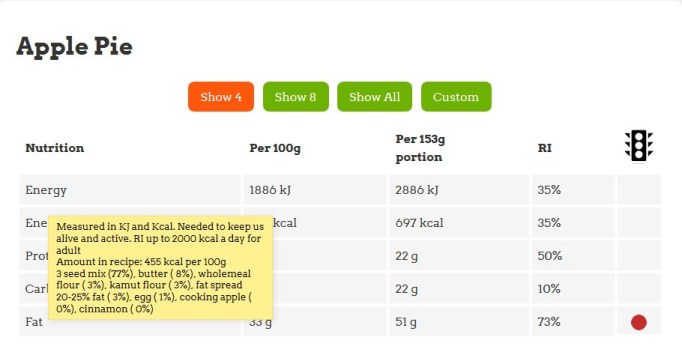
Use for Food Preparation and Nutrition GCSE to cover exam requirements for AQA, OCR and Eduqas.
Download our new AQA Curriculum mapping for Food Preparation and Nutrition GCSE to see how you can use the Nutrition Program to teach the specification.
The Cultured Kitchen
Scobie symbiotice – bacteria and yeast fermenting and working together to create mafgic!
Lactobacillus – same smell as rotting process. ‘Fermenting’ means to boil. Pickling kills bacteria.
Kombucha
fermentation increases the enzymes and vitamins B. Michael Pollen – fermenting on Nexflix.
The sour bit of the palette is not used much.
Kimchi – Chinese leaf, carrot, turnip, spring onion, garlic, chilli and ginger.
Fermentation softens the plant tissue.
You can use red beetroot and cabbage – it burps a lot.
Takes 10 days – 3 weeks to go soft and the longer the softer and more tasty.
Celery, grated carrot and salt.
Method – finely chop the vegetables so they are ‘eat size’.
Squeeze, then pulp with 1-2 teaspoons salt then pack into glass jar. Push down so the brine rises 1cm above the top.
Weight down with a large stone wrapped in cling film. The veg are submerged in the water and brine.
Starter activity
Teaching and learning activity
Comparison and nutritional analysis of buying a ready-made spaghetti bolognaise/ chilli. Using information on the packaging, carry out a nutritional analysis and evaluate the nutritional value of spaghetti bolognaise. Discussion of what makes a good spaghetti bolognaise/ chilli and the main advantages of preparing and cooking your own spaghetti bolognaise. Identify possible adaptations of recipe for vegetarians and special dietary needs.
Main activity
Demonstration of spaghetti bolognaise or chilli.
Questioning for learning topics: ingredients, their functions, uses and nutritional value. Preparation of bolognaise or chilli ingredients, knife skills to prepare vegetables and meat safely and hygienically. Temperature control on the hob, safe cooking times and temperatures. How to prepare, cook and serve up pasta or rice as a carbohydrate accompaniment to dish. Effective techniques to present the dish with a high level of finish and decoration.
Plenary: recipe adaptation to meet current recommendations for a healthy diet. Identify ways to reduce the saturated fat, kcal and salt, but increase fibre content of the dish.
Home learning
Differentiation and extension
Nutritional profile of ready-made spaghetti bolognaise.
Differentiation of skills, quality of outcomes, hygiene and safety workshop routine.
BNF online resources on food hygiene and safety.
Differentiation through effective questioning techniques through use of Bloom’s taxonomy.
Differentiated worksheets and home learning resources to calculate costs of spaghetti bolognaise or chilli.
Learning objectives
To use nutrition information and allergy advice panels on food labels to help make informed food choices.
To explain the importance of selecting dishes to cook, which provide the necessary energy and nutrients to meet teenager’s reference nutrient intakes (RNI).
To explain the importance of good food safety practices when getting ready to store, prepare and cook food.
To modify recipes and cook dishes that promote current healthy eating messages.
To calculate the cost of the dish and compare with a commercial
This star profile on Youtube shows how to create a star profile on Nutrition Program to compare fats in pastries.
This video shows how to do the star profile

I’ve used butter, lard, Trex and oil for the pastry. Taken from book NEA1 Food Investigations 10 Tasks
Click it through and see how to do an Evaluation for NEA1
1. Starting the star profile

Youtube video for star profile for pastry

How to analyse star profile for pastry
Results of tasting
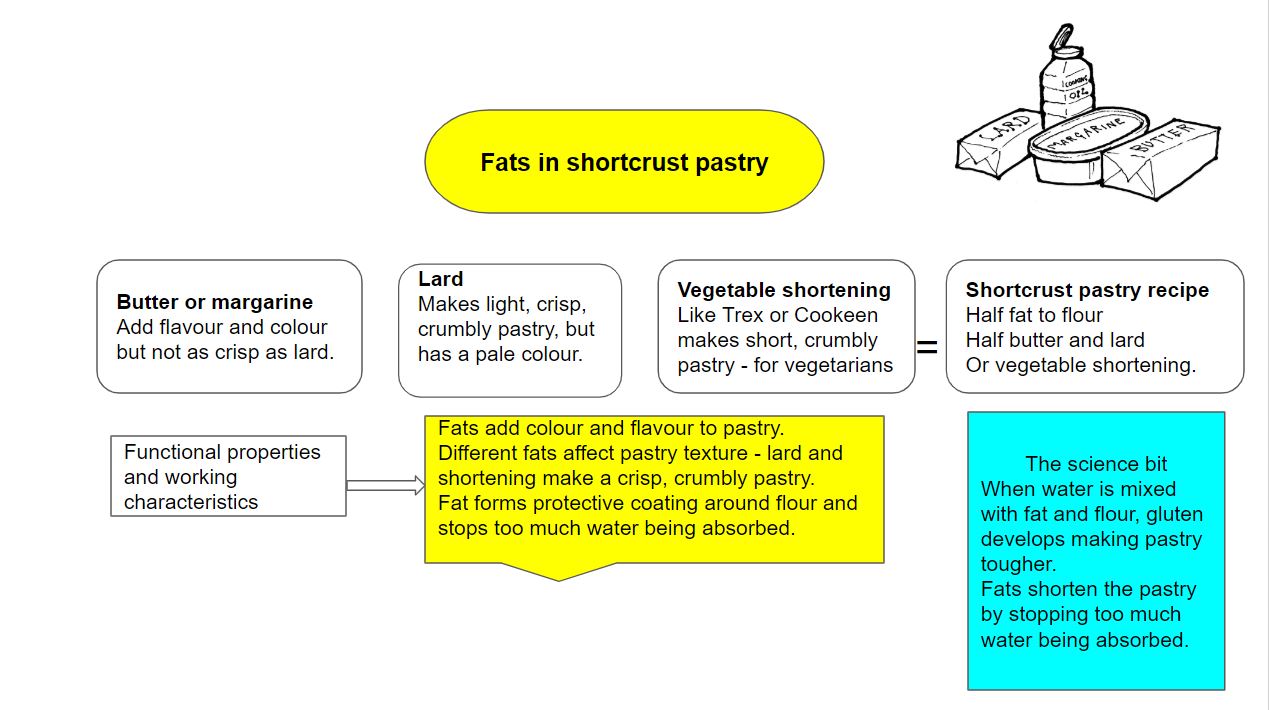
Lard – short, crisp, tasteless, v crumbly
Butter – good flavour, quite short
Trex – light, crumbly, short, delicious
Oil – tough, dry, a little crumbly and hard.
Put the recipes into the Nutrition Program and compare results – Butter pastry, lard pastry, oil pastry, Trex pastry
This second video tells you how to finish the star profile
This Youtube video shows how to create a recipe
How to create a recipe
Use basic recipe 100g plain flour, 50g fat ( you choose) 30g water.


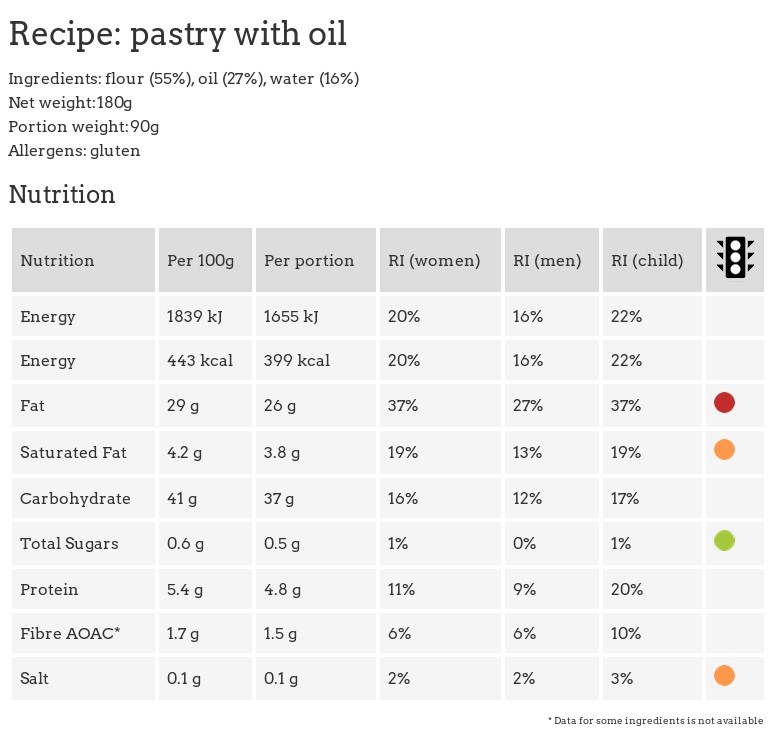

Plot the results on a chart
Take photos and annotate

Cooked pastries – annotated

Chart shows fat and saturated fats in pastries
New books coming from Ridgwell Press for NEA 1 http://www.ridgwellpress.com
 The Nutrition Program Blog