
Quiz 1 will help you revise for the Food Science part of Food Preparation and Nutrition GCSE
Use Food Science You Can Eat to help – available mid Sept 2023

1 mark for each question. ½ mark each if there are 2 answers for 1 question.
Total marks out of 20.
Answers on the link at the end of the quiz.

Caramel and Dextrin
- Which ingredient is used to make caramel: a) flour, b) eggs, c) sugar?
- What happens if you taste caramel when it has just been made?
- How can you test the temperature of sugar caramelisation?
- Why is caramel used in packets of gravy browning?
- Give three examples of how caramel is used in food products.
- Which ingredient changes to dextrin: a) sugar, b) milk, c) flour?
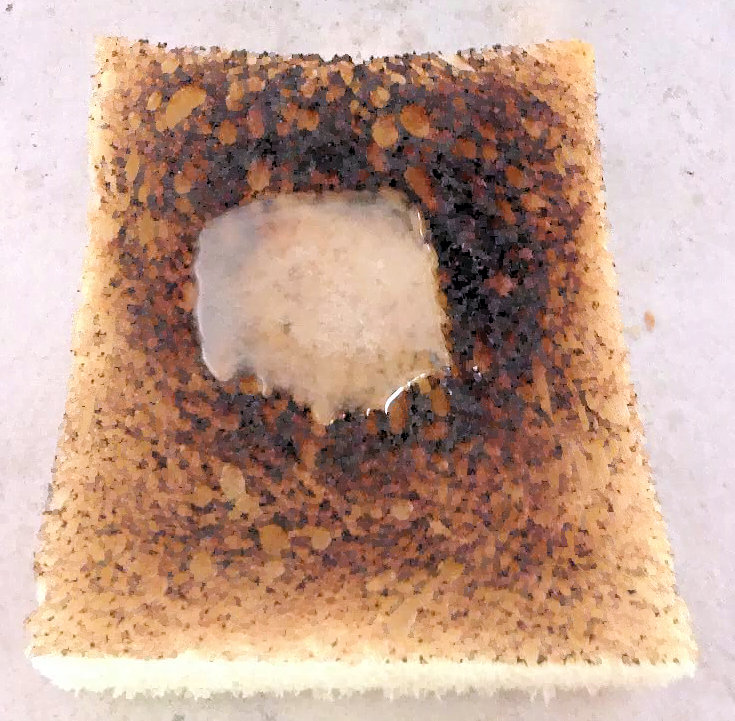
- Why does toast taste sweet?
- When amino acids are heated when food is roasted, what chemical reaction takes place?
Gelatinisation of starch
- Which of these is not a starch: a) cornflour, b) eggs, c) wheat flour?
- What happens when starch is heated with water?
- What happens to the starch in pasta when it cooks?
- What happens to potatoes when they cook and soften?
Enzymic browning
- Why is lemon juice used to coat fruit when making fruit salad?
- What method will not stop fruit and vegetables turning brown a) cooking for a short time, b) chilling, c) freezing?
Eggs
- When eggs begin to cook the protein is a) destroyed, b) denatured, c) deactivated?
- With more heat the egg protein a) condenses, b) sets, c) coagulates?
- When egg is cooked for too long, water seeps out. What is this process called?
- When egg is whisked and holds air, what is formed?
- What is the function of eggs when making mayonnaise?
- What happens if oil is added too quickly to mayonnaise?
Taken from Food Science You Can Eat
 The Nutrition Program Blog