Tips for NEA 2 – Food Styling

Presenting dishes for NEA 2

Presentation skills are essential for the final dishes for NEA 2.

When I photographed my dishes that I tested for Food Preparation Assessment NEA 2, they needed great improvement.

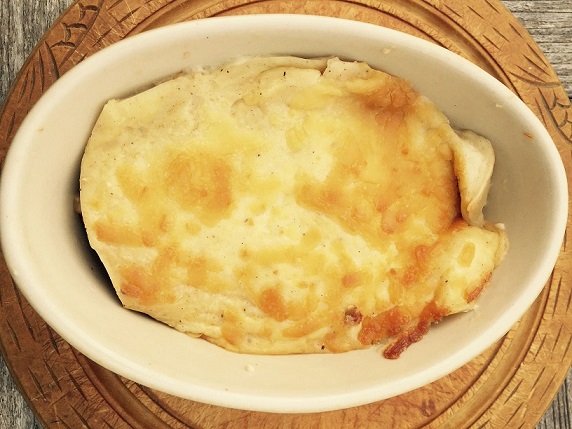
lasagne2

Vegetarian lasagne – very poor presentation needs garnishing

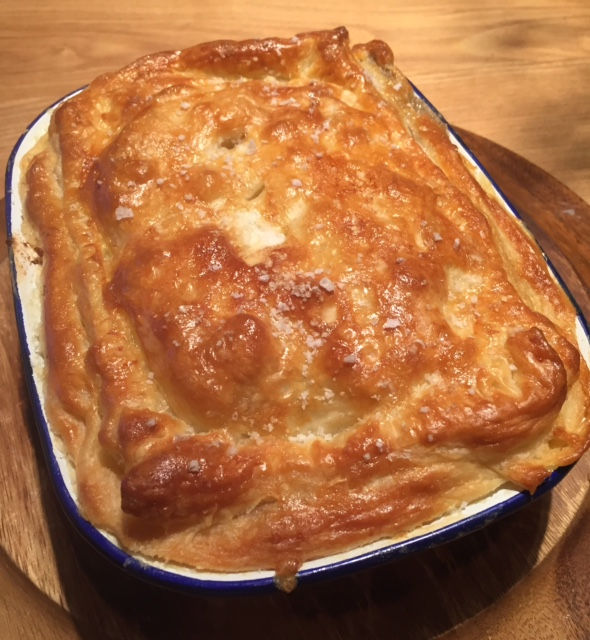
chicken pie

Chicken pie with flaky pastry needs some garnish and serving ideas

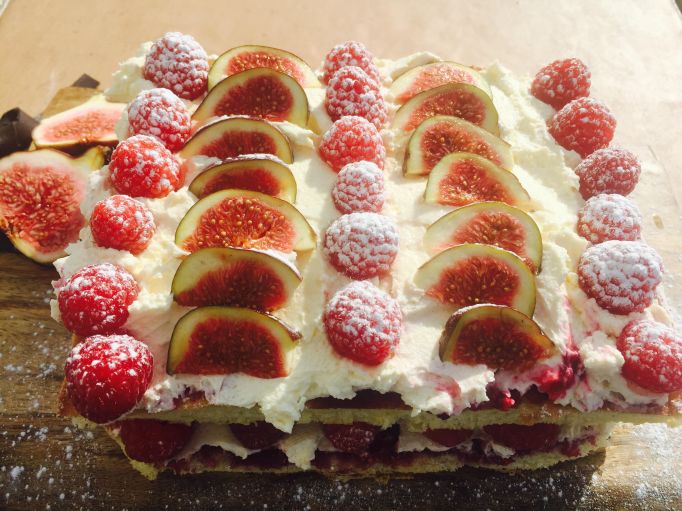
whisked sponge

Whisked sponge layered with whipped cream and fruit

This is my Pinterest Food styling NEA 2 board link

Food teachers – get your students to research how to style food for presentations and search for their dishes.

pinterest

My Pinterest Food Styling board

Visit my website for recipes http://www.jennyridgwell.co.uk


Nutrition Program reviews from Facebook

Thankyou to teachers for the kind reviews about The Nutrition Program on Facebook chatroom – nice to have such encouragement.

Jason Baxter
Essential tool, have been subscriber for as long as I can remember and it’s also a useful resource at ks3 too. Used it in my yr7s in June to illustrate how to adapt ingredients to meet healthy eating guidelines and excellent tool for demonstrating numeracy and literacy.

Jannine Danks
I have used Jenny Ridgwell The Nutrition Program for 10 years or more! Essential tool, have been subscriber for as long as I can remember and it’s also a useful resource at ks3 too. Used it in my yr7s in June to illustrate how to adapt ingredients to meet healthy eating guidelines and excellent tool for demonstrating numeracy and literacy.

Hayley Wincott
I had this at my last school, and so did one of my post 16 students. My HOD felt that the Jenny Ridgwell one was worth the money as you can hover over for the function of the nutrient ask for alternatives that were higher in that nutrient etc. even without the costing element, the generally functionality is much better. She used a free program and searched for semi skimmed milk in various combination of those words and still had to search through a massive list to get to what she wanted. She said she found it frustrating after using the Nutrition Program.

Lisa van der Lem
If your school can afford it it is brilliant,

Sam Oldale
I think it’s great and would find it difficult to manage without it. Nutrition, costing , star profiles, food labels and a few other bits and pieces.

Andrea Wilson
I would not be without it.

Nina Martin
It’s great, couldn’t be without it, especially for GCSE and A-level.

Julia Steras
We use it , worth the subscription

 

Kimchi

The Cultured Kitchen

Scobie symbiotice – bacteria and yeast fermenting and working together to create mafgic!

Lactobacillus – same smell as rotting process. ‘Fermenting’ means to boil. Pickling kills bacteria.

Kombucha

fermentation increases the enzymes and vitamins B. Michael Pollen – fermenting on Nexflix.

The sour bit of the palette is not used much.

Kimchi – Chinese leaf, carrot, turnip, spring onion, garlic, chilli and ginger.

Fermentation softens the plant tissue.

You can use red beetroot and cabbage – it burps a lot.

Takes 10 days – 3 weeks to go soft and the longer the softer and more tasty.

Celery, grated carrot and salt.

Method – finely chop the vegetables so they are ‘eat size’.

Squeeze, then pulp with 1-2 teaspoons salt then pack into glass jar. Push down so the brine rises 1cm above the top.

Weight down with a large stone wrapped in cling film. The veg are submerged in the water and brine.


Spaghetti bolognaise – using Nutrition Program

Starter activity
Teaching and learning activity

Comparison and nutritional analysis of buying a ready-made spaghetti bolognaise/ chilli. Using information on the packaging, carry out a nutritional analysis and evaluate the nutritional value of spaghetti bolognaise. Discussion of what makes a good spaghetti bolognaise/ chilli and the main advantages of preparing and cooking your own spaghetti bolognaise. Identify possible adaptations of recipe for vegetarians and special dietary needs.
Main activity
Demonstration of spaghetti bolognaise or chilli.
Questioning for learning topics: ingredients, their functions, uses and nutritional value. Preparation of bolognaise or chilli ingredients, knife skills to prepare vegetables and meat safely and hygienically. Temperature control on the hob, safe cooking times and temperatures. How to prepare, cook and serve up pasta or rice as a carbohydrate accompaniment to dish. Effective techniques to present the dish with a high level of finish and decoration.
Plenary: recipe adaptation to meet current recommendations for a healthy diet. Identify ways to reduce the saturated fat, kcal and salt, but increase fibre content of the dish.
Home learning

Differentiation and extension

Nutritional profile of ready-made spaghetti bolognaise.
Differentiation of skills, quality of outcomes, hygiene and safety workshop routine.
BNF online resources on food hygiene and safety.
Differentiation through effective questioning techniques through use of Bloom’s taxonomy.
Differentiated worksheets and home learning resources to calculate costs of spaghetti bolognaise or chilli.

Learning objectives

To use nutrition information and allergy advice panels on food labels to help make informed food choices.
To explain the importance of selecting dishes to cook, which provide the necessary energy and nutrients to meet teenager’s reference nutrient intakes (RNI).
To explain the importance of good food safety practices when getting ready to store, prepare and cook food.
To modify recipes and cook dishes that promote current healthy eating messages.
To calculate the cost of the dish and compare with a commercial

Nutrients in Fruits and Vegetables

We are encouraged to eat a rainbow of coloured fruits and vegetables. This way you eat a range of vitamins and minerals.

Micronutrients found in fruits and vegetables

Vitamins

Vitamin A is found in orange coloured fruits

Vitamin C

Calcium

Potassium